Ras Mohammed National Park Introduction
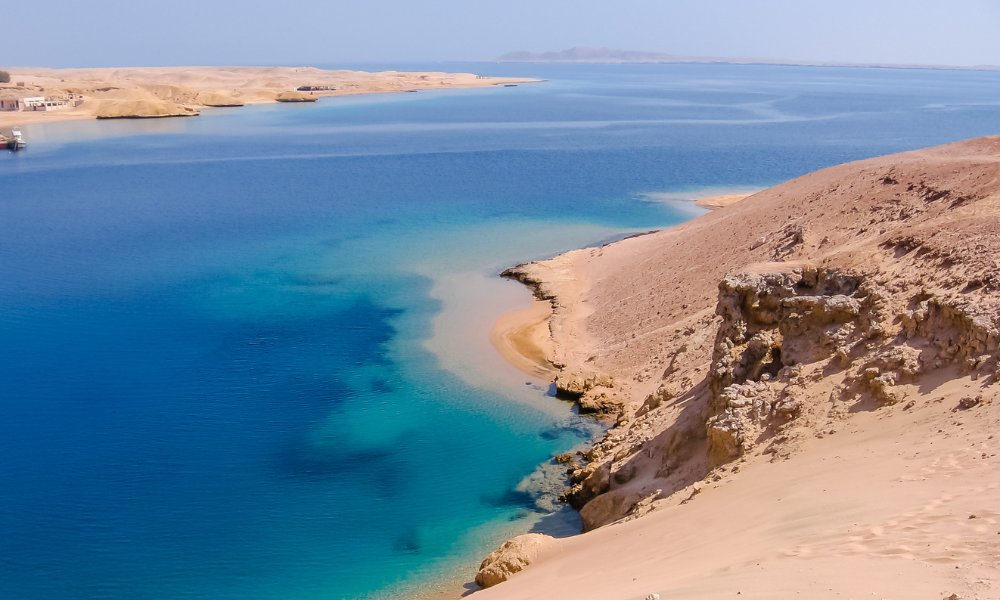
Ras Mohammed National Park is not the Red Sea’s most famous dive site by accident. The tip of the Sinai Peninsula, where the Gulf of Suez meets the Gulf of Aqaba, creates one of the most nutrient-rich convergence zones in the Red Sea — and the underwater world here reflects exactly that.
I’ve dived Ras Mohammed national park a few times, always departing from Sharm El Sheikh, and it has never failed to deliver.
What separates Ras Mohammed from most Red Sea diving is scale. The walls here don’t taper off at 30 metres and flatten out. They drop. Sharply.
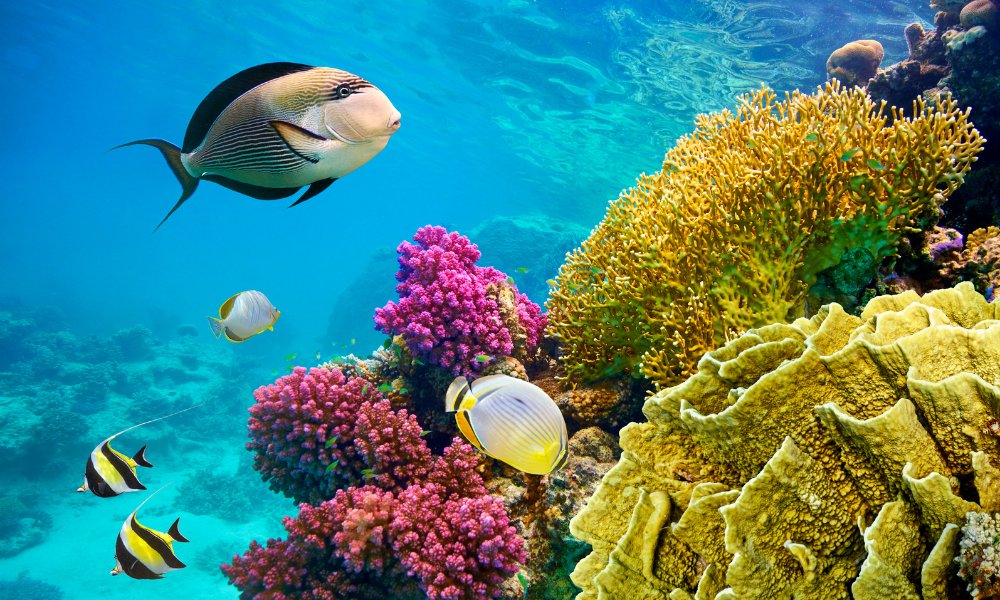
The west side of Shark Reef goes to over 80 metres, and the soft coral coverage from the surface to 40 metres is some of the densest I’ve seen anywhere in the world. Oranges, purples, reds — packed so tightly the rock underneath is barely visible.
This is a protected national park. No anchoring, no fish feeding, no taking anything. The regulations are enforced, and they’ve worked. The reef health at Ras Mohammed is noticeably better than most unprotected Red Sea sites.
What Makes Ras Mohammed Worth the Trip
The short answer: convergence and protection.
Two gulfs meeting at a single point means constant water movement, which means nutrients, which means plankton, which means fish. The biomass at Ras Mohammed — particularly at Shark Reef and Yolanda — is genuinely staggering. On a good day you’ll count species in the hundreds on a single dive.
The park covers 480 square kilometres including the marine environment. Most divers only access two or three sites by boat from Sharm, but the park extends much further and the diving stays strong throughout.
Visibility is consistently good — 15 to 25 metres is typical, sometimes more in winter. Current ranges from mild to strong depending on the site and the tidal cycle.
Shark Reef in particular can push hard on the incoming tide, which is when the big pelagics show up.
The Dive Sites at Ras Mohammed
Shark Reef
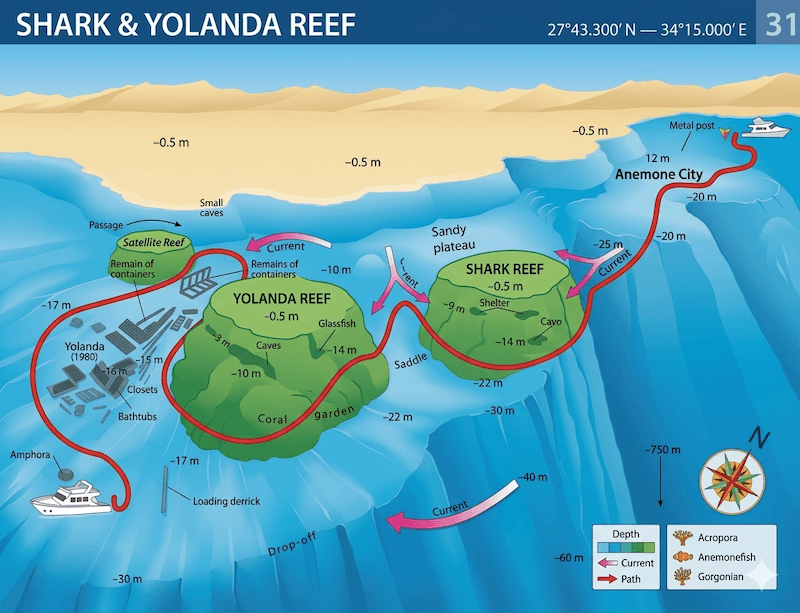
This is the headline act and it earns the name. Shark Reef is a submerged pinnacle on the southern tip of Ras Mohammed, best dived as a drift along the western wall. You drop in at the north end, let the current carry you south, and watch the wall unfold.
The soft corals here are exceptional — every ledge and overhang is draped in colour. But what you’re really watching is the blue water. Grey reef sharks cruise the drop-off regularly. Hammerheads appear — usually in the morning, usually deeper, usually below 30 metres. Oceanic whitetips are occasional visitors in the right season.
The dive typically ends with a drift across the saddle between Shark Reef and Jolanda (Yolanda) Reef, where you can slow down and work the shallows before surfacing.
- Depth: 5–40m+ (wall dives are effectively unlimited — most divers work 15–30m)
- Experience level: Intermediate and above. Comfortable in current required.
- Best time: Early morning for sharks. Incoming tide for current and pelagics.
Yolanda Reef
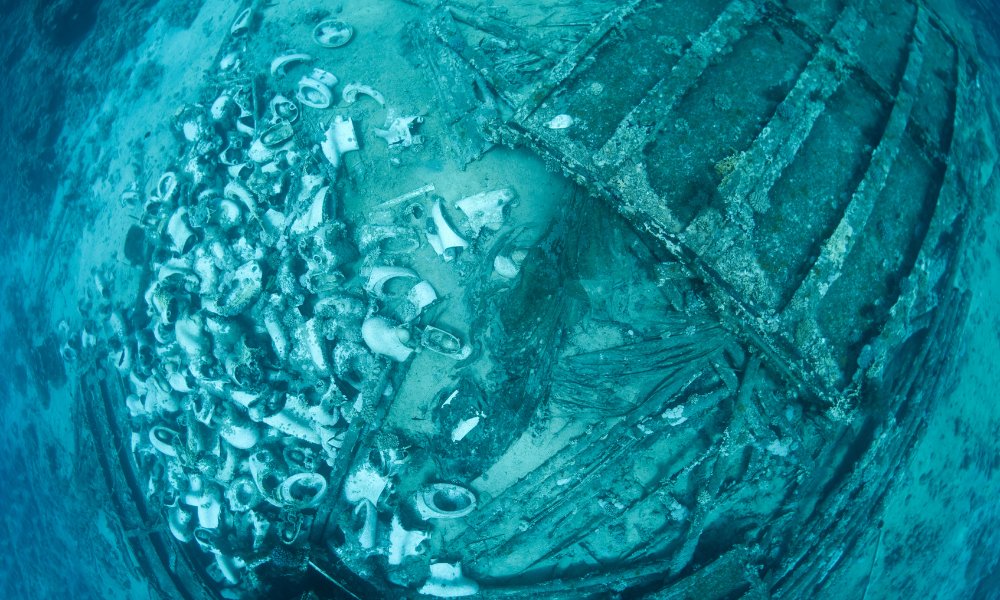
Yolanda Reef sits adjacent to Shark Reef and takes its name from the MV Yolanda, a Cypriot cargo ship that went down here in 1980. The wreck originally sat upright in the shallows — I’ve seen photos from the early years of diving here — but over successive storms it has slid down the reef slope and the main cargo now rests at around 25–30 metres, with debris deeper.
The cargo is the thing: the Yolanda was carrying bathroom fittings. Toilets, bathtubs, and pipes are scattered across the reef, half-encrusted in coral.
It’s genuinely surreal — a full bathroom suite at 25 metres, with fish darting in and out of porcelain fixtures. There’s nothing else quite like it in the Red Sea.
The reef itself is excellent independent of the wreck. Large table corals, solid hard coral coverage, consistent fish life. This is often dived as part of the Shark Reef drift, with divers ending the dive in the Yolanda shallows before a safety stop.
- Depth: 5–30m+ (wreck debris deeper)
- Experience level: All levels comfortable in current. Wreck sections require buoyancy control.
Anemone City
Less visited than the headline sites, Anemone City is exactly what it sounds like: a shallow reef plateau — 6 to 12 metres — blanketed in anemones and their resident clownfish.
If you’ve hammered the walls and want a relaxed second dive, or if you’re diving with mixed-experience groups, this is the site.
The fish life here is rich and unhurried. Without the current drama of Shark Reef, you spend more time watching behaviour — clownfish defending nests, moray eels hunting at dusk on late afternoon dives, the constant traffic of anthias in the anemone fields.
- Depth: 6–15m
- Experience level: All levels.
When to Dive Ras Mohammed
Ras Mohammed diving is year-round, but the experience is very different by season.
October to February is the peak period for pelagics. Cooler water temperatures (around 22–24°C) and stronger currents bring in the big animals. Hammerheads are most reliably seen at Shark Reef in November and December. Visibility is sharp — often 20 to 25 metres. This is the window I’d target if you’re coming specifically for sharks.
March to May brings warming water and excellent visibility. Reef fish are active and spawning on many sites. Current is moderate. A very good all-round diving window.
June to September is hot — air temperatures above 35°C, water up to 28–29°C. Visibility is still good but the big pelagics thin out. The sites are more crowded because this is high tourist season in Sharm. Diving is still enjoyable but it’s not when I’d choose to go specifically for Ras Mohammed.
Water temperature ranges from 22°C in winter to 29°C in summer. A 3mm wetsuit handles summer comfortably; 5mm is more appropriate from November through March.
How to Get to Ras Mohammed from Sharm El Sheikh
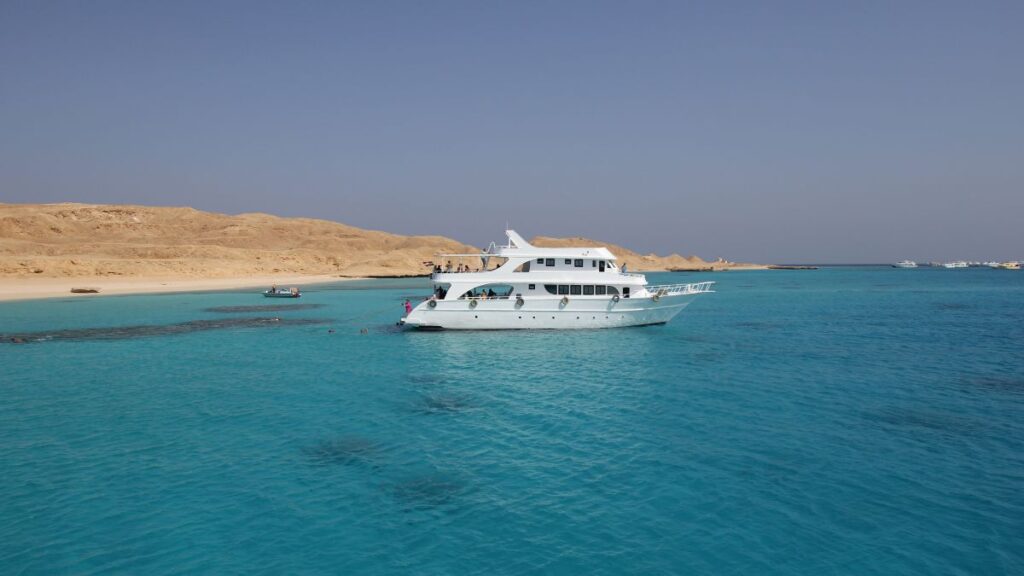
Ras Mohammed is a 45-minute to 1-hour boat ride from Sharm El Sheikh’s main marina, Na’ama Bay. Most dive operators in Sharm run day trips to Ras Mohammed regularly — it’s the default second or third destination after Thistlegorm for anyone doing a multi-day dive stay.
Day trip
Full day, typically two dives. Shark Reef and Yolanda as standard. Some operators include a third dive at a nearby site depending on conditions and the group. You’re looking at $60–90 USD with gear rental, depending on the operator.
Liveaboard
Ras Mohammed is almost always on the North Red Sea liveaboard itinerary, typically on the second or third night after spending a night at Thistlegorm, or as the first stop for check out dives.
This is the way to see it properly — diving it at dawn, before the day boats arrive, with the current at its best. Browse Red Sea liveaboards on Divebooker — they list all the north itinerary boats departing Sharm.
And if you are not sure which Red Sea itinerary to book, check out our North Vs South Itinerary comparison.
The park charges an entry fee payable at the gate — around $10–15 USD per person. Most dive operators include this in the trip price, but confirm before booking.
What to Expect Underwater
A few things that don’t always make it into the glossy write-ups:
The current can surprise you. Even experienced divers get caught out at Shark Reef when the tidal flow accelerates mid-dive. Brief your guide on your current experience level. If they’re not asking, ask them yourself.
Buoyancy discipline matters here. The soft coral is irreplaceable and very easy to damage. Stay off the walls. The reef health at Ras Mohammed is better than most Red Sea sites precisely because divers and operators here tend to respect it.
Check out our full guide on Mastering Scuba Diving Buoyancy
Boats get crowded. By mid-morning on a busy day, the mooring buoys at Shark Reef can have 8 to 10 boats attached. If you’re doing a day trip, get there early. Liveaboards that depart Sharm at 6pm the previous evening and dive at dawn get Ras Mohammed almost to themselves — another reason a liveaboard itinerary is worth considering.
Mantas are possible but not guaranteed. Manta sightings at Ras Mohammed happen, but this isn’t a reliable manta site in the way that the Maldives or Raja Ampat is. If you see one here, consider it a bonus.
If you are looking to see Manta Rays, consider our Top 5 Destinations for Manta Ray Encounters.
Questions before visiting Ras Mohammed
Do you need a dive permit to dive Ras Mohammed National Park?
Yes. Ras Mohammed is a protected national park and an entry fee applies. As of 2026 this is approximately $10–15 USD per person.
Most dive operators include this in their trip price, but confirm when booking. The fee is worth it — park revenues fund the protection measures that keep this reef in good condition.
Are there sharks at Ras Mohammed?
Yes, and consistently. Grey reef sharks are resident at Shark Reef year-round. Hammerheads are seasonal visitors, most reliably seen in October through February, usually below 25 metres on the incoming tide in the early morning. Oceanic whitetips appear occasionally.
Can beginners dive Ras Mohammed?
Anemone City is suitable for newly certified divers — it’s shallow, calm, and protected, and often the dive site for check out dives before departures further into the gulf.
Shark Reef and Yolanda involve current and require comfortable buoyancy. My honest advice: complete your Open Water, consider a Drift dive speciality or make sure your Buoyancy can be maintained while drifitng.
Is Ras Mohammed better as a day trip or on a liveaboard?
Liveaboard wins if the budget allows. Diving Shark Reef at first light, before the day boats arrive, on an incoming tide — that’s when you see the sharks and the pelagics.
Day trips arrive mid-morning when the current has eased and the boats are stacking up. Both options are worthwhile; one is clearly better. Check liveaboard availability on Divebooker.
What's the best time of year to dive Ras Mohammed?
October to February for sharks and pelagics — cooler water, stronger currents, better visibility for big animals.
March to May for excellent all-round diving and warming water. Summer is the least rewarding window for Ras Mohammed specifically, though diving is still good.