
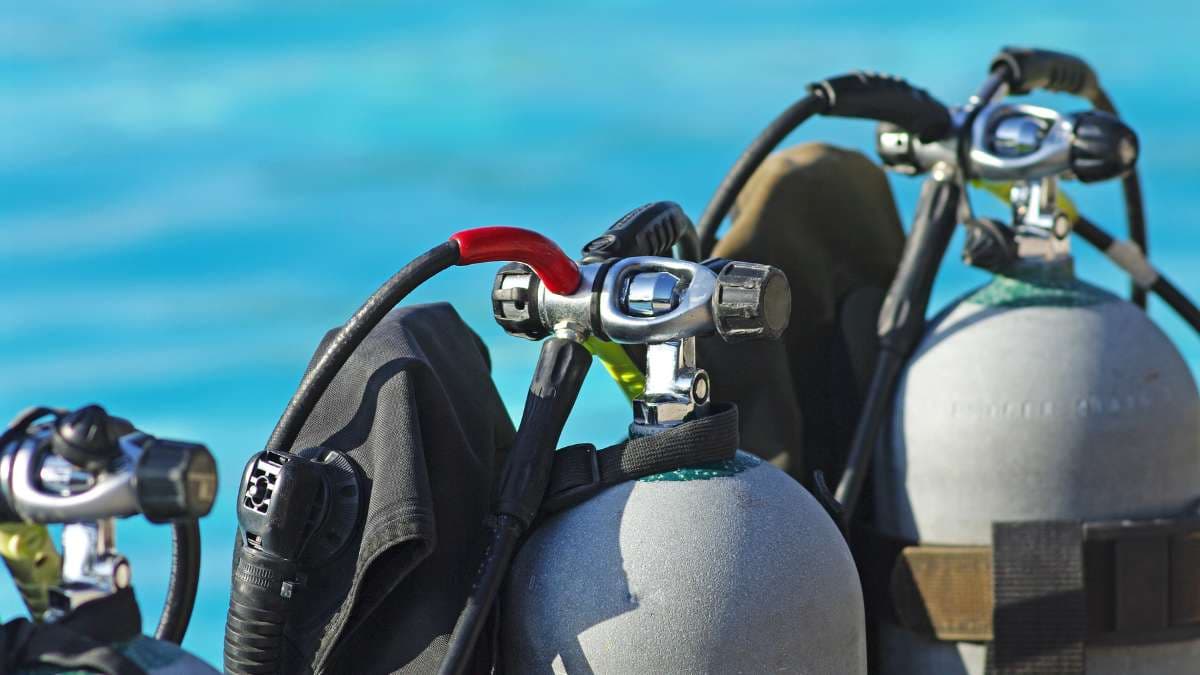
Most of what you need fits in one soft bag. What you pack for diving depends on whether you own your equipment or plan to rent. The rest is the same for everyone.
Dive gear
Even if you rent, some personal items are worth bringing.
Always bring, even if you rent
- Mask, properly fitted to your face
- Dive computer, with settings you know
- Certification cards and logbook
- Reef-safe sunscreen
- SMB (safety sausage), your surface signalling device
Consider bringing
- Wetsuit or exposure suit, for a better fit than rentals
- Fins, for comfort and performance
- Dive knife or cutting tool
- Torch
Camera and electronics
Underwater photography is popular, and good preparation prevents problems.
Camera gear
- Camera and housing
- Strobes or video lights
- Arms and mounting hardware
- Spare batteries, plenty of them
- Memory cards, more than you think you need
- Silicone grease and an O-ring kit
Other electronics
- Chargers for all your devices
- Universal power adapter
- Power strip or multi-plug
- Dry bag for topside protection
- Laptop or tablet for reviewing images (optional)
Clothing and personal items
You will spend most of your time in swimwear, so pack light.
Clothing
- Swimsuits, 2–3
- Rash guard or sun-protection shirts
- Light, quick-dry clothes for the evenings
- A warm layer, because boats can be cold with the air conditioning on
- Hat and sunglasses
- Sandals or flip-flops
Personal items
- Reef-safe toiletries
- Prescription medications
- Seasickness remedies
- Reef-safe sunscreen
- Insect repellent
- First-aid basics
Documents and money
Documents
- Passport, valid for 6+ months
- Dive certification cards and logbook
- Travel insurance documents
- Flight itineraries
- Boat confirmation or voucher
Money
- Credit card for emergencies
- Cash in local currency for tips and extras
- Small USD bills, which are widely accepted
- A typical crew tip is $10–15 per person per day, as of February 2026
Luggage and weight
- Soft bags are easier to store than hard suitcases.
- Keep dive gear in your carry-on if possible.
- Use packing cubes to save space.
- Bring a small day bag for surface intervals.
- Check airline luggage allowances, because domestic flights may have lower limits.
- Renting gear at the destination cuts your luggage weight.
- Some liveaboards offer equipment storage between trips.
Small extras
- Books or entertainment for surface intervals
- A notebook and pen for identifying species
- Small gifts if you visit local communities
Choosing a boat? Read how to choose the right liveaboard.
Questions
What should I always bring on a dive trip, even if I rent my gear?
Your mask, properly fitted to your face; your dive computer, with settings you know; your SMB (safety sausage), so the boat can see you; your certification cards and logbook; and reef-safe sunscreen.
What documents do I need for a liveaboard dive trip?
A passport valid for 6+ months, your dive certification cards and logbook, travel insurance documents, your flight itineraries and your boat confirmation or voucher.
How much should I tip the crew?
A typical crew tip is $10–15 per person per day, as of February 2026. Bring cash in local currency for tips and extras. Small USD bills are widely accepted.
Should I bring my own wetsuit and fins?
Consider it. A wetsuit or exposure suit gives a better fit than rentals, and your own fins are more comfortable. Neither is essential if you plan to rent.