What a liveaboard is
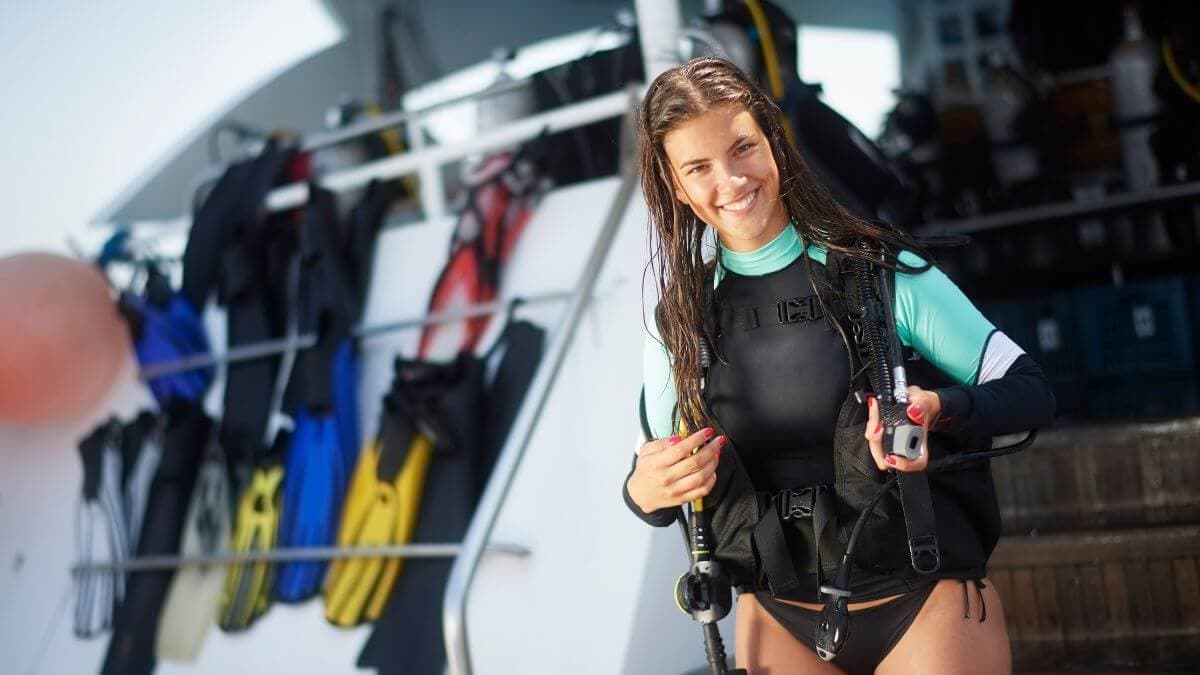
A liveaboard is a boat built for multi-day diving trips, where you eat, sleep and dive from the same vessel. Unlike day boats or resort diving, it reaches remote sites you cannot get to from shore and maximises your time underwater.
They range from budget boats with shared cabins to luxury yachts with private suites, gourmet dining and spa services. Most trips last 7–10 days and include 3–4 dives a day, plus the possibility of night dives.
Why take one
- Remote sites. Many remote sites, such as the Galápagos, Socorro and Tubbataha, are only reachable by liveaboard.
- More diving. 3–4 dives a day, against about 2 on a day boat.
- Better conditions. A boat can chase the best conditions, moving between sites with the weather, currents and marine life.
- Full focus. You are on the water around the clock with other divers, with nothing else to think about.
Choosing your first liveaboard
Destination. Start with one known for calm conditions and reliable marine life. The Maldives, the Red Sea and Thailand's Similan Islands are good places to start. Komodo's currents are strong, so it suits a first liveaboard only if you have current-diving experience: the Komodo liveaboard planning guide covers what to expect.
Boat size. Larger boats (20+ guests) are steadier and have more amenities, with less personal service. Smaller boats (8–12 guests) feel more personal but may feel the waves more.
Cabin. Budget boats may have shared cabins or bunk beds. Mid-range and luxury boats have private cabins with en-suite bathrooms.
Itinerary. Some routes are more demanding than others. Choose a trip that suits your certification level and experience.
To compare boats, see our ranked Red Sea and Maldives liveaboards.
What to expect onboard
- Daily routine: wake up, dive, breakfast, dive, lunch, rest, dive, dinner, optional night dive, sleep. Repeat.
- Meals: usually buffet-style with local and international options. Dietary requirements are normally accommodated with advance notice.
- Cabins: compact but comfortable, with limited storage, so pack efficiently.
- Common areas: most boats have a sun deck, a lounge and a dive deck. Higher-end vessels may add hot tubs, bars and entertainment systems.
- Dive facilities: equipment rinse tanks, camera tables and charging stations are standard. Nitrox is available on most boats for certified divers, sometimes included and sometimes extra.
Tips for first-timers
- Seasickness: even experienced sailors can get seasick. Ask a pharmacist or doctor about seasickness medication, and start taking it before you board.
- Certification and log: bring your physical certification card and a digital copy, plus your dive log.
- Insurance: dive travel insurance is essential. DAN (Divers Alert Network) offers it.
- Cash: bring small bills for crew tips (typically $10–15 per day per person) and any extras.
- Flexibility: weather and conditions can change the itinerary, so stay flexible.
- Social skills: you will be in close quarters with strangers. Bring a positive attitude and respect shared spaces.
Health and safety
Complete a medical questionnaire before your trip. Some conditions may require a doctor's clearance. Stay hydrated, since diving and sun exposure are dehydrating, and skip alcohol before diving: save it for after your last dive of the day.
Wait 24 hours after your last dive before you fly, or for your computer's no-fly time if that is longer, and plan your departure around it. Listen to the briefings: different boats have different procedures, and dive sites have unique characteristics.
Questions
How many dives a day do you do on a liveaboard?
Usually 3 to 4, plus the possibility of night dives. A day boat typically does about 2.
How long is a typical liveaboard trip?
Most trips last 7 to 10 days.
How much should you tip the crew on a liveaboard?
Typically $10–15 per day per person, in small bills.