
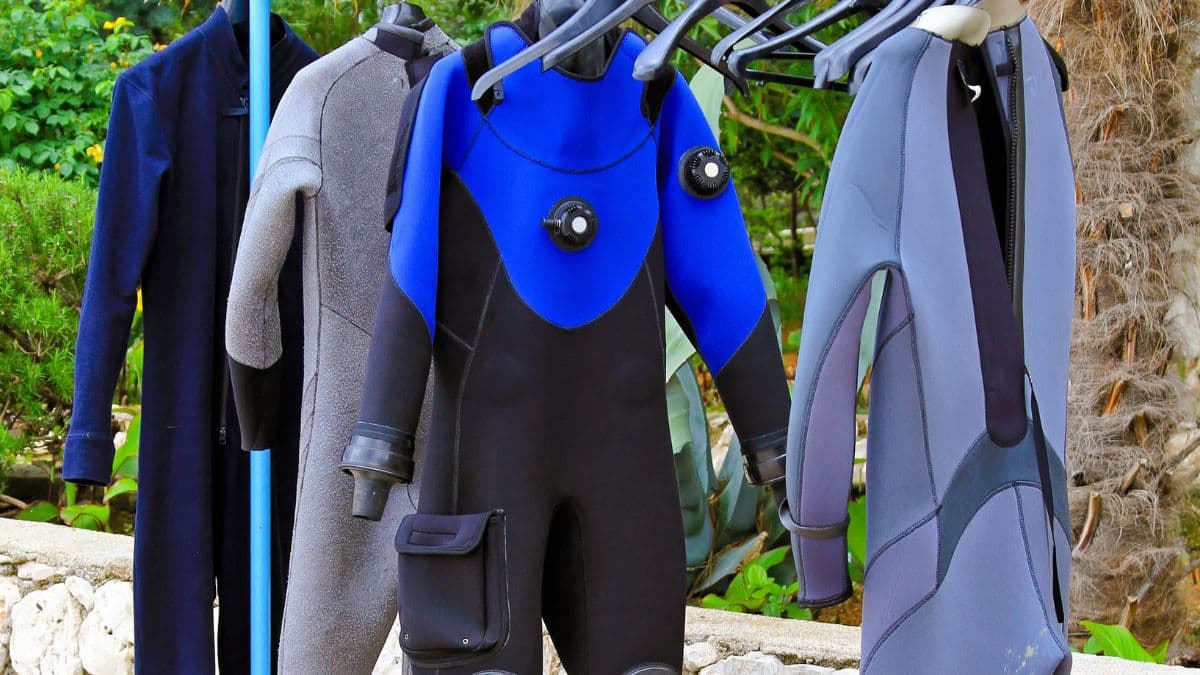
Which thickness for which water?
The most common wetsuit mistake isn't buying the wrong brand. It's buying a suit for the destination you want to dive rather than the destination you actually dive. A 3 mm shorty is useless in a Scottish loch. A 7 mm full suit with hood will ruin a holiday in the Maldives.
Thickness depends on water temperature, not air temperature. Check the water temperature for your destination, not the ambient climate. Tropical destinations with warm air can still have cold water at depth.
| Water temperature | Recommended thickness | Suit type |
|---|---|---|
| 28°C+ (82°F+) | 1–2 mm or dive skin | Shorty or skin suit |
| 24–28°C (75–82°F) | 3 mm | Full suit or shorty |
| 20–24°C (68–75°F) | 3–5 mm | Full suit |
| 15–20°C (59–68°F) | 5–7 mm | Full suit + hood + gloves |
| Below 15°C (59°F) | 7 mm or semi-dry / drysuit | Full suit + hood + gloves + boots |
This is a working guide, not a guarantee. Your thermal comfort, the duration of your dives and how deep you go all affect how cold you get. Neoprene compresses at depth and loses some of its insulation: a 5 mm suit at 30 metres performs less like 5 mm than it does at 5 metres.
A suit keeps you warm by trapping a thin layer of water between the neoprene and your skin. Your body heats that water and the suit holds it in place. How well this works depends on three things: the suit's thickness, how well it fits, and how comprehensively it covers you. Some divers run warm naturally and others feel cold in water a warmer person finds comfortable. If you consistently feel cold in the range the guide says should be comfortable, go up a thickness.
What each thickness means in practice
| Thickness | Where it fits | Worth knowing |
|---|---|---|
| 3 mm | Warm tropical diving: the Maldives, Red Sea, Thailand, Philippines | The 3 mm full suit covers most conditions across the year in the Maldives, with a 5 mm occasionally useful for the central atolls in cooler months |
| 5 mm | Temperate water: Mediterranean in winter, South Africa, colder Pacific sites | A hood starts to be worth considering, even if the suit technically covers your head |
| 7 mm | Cold water: the UK, Northern Europe, New Zealand's South Island, early-season diving at high-altitude sites | A hood is not optional. It's the difference between a comfortable dive and ending the session early |
For the detail, see wetsuit thickness for Maldives diving. This guide follows on from the scuba gear guide, which covers your full equipment setup.
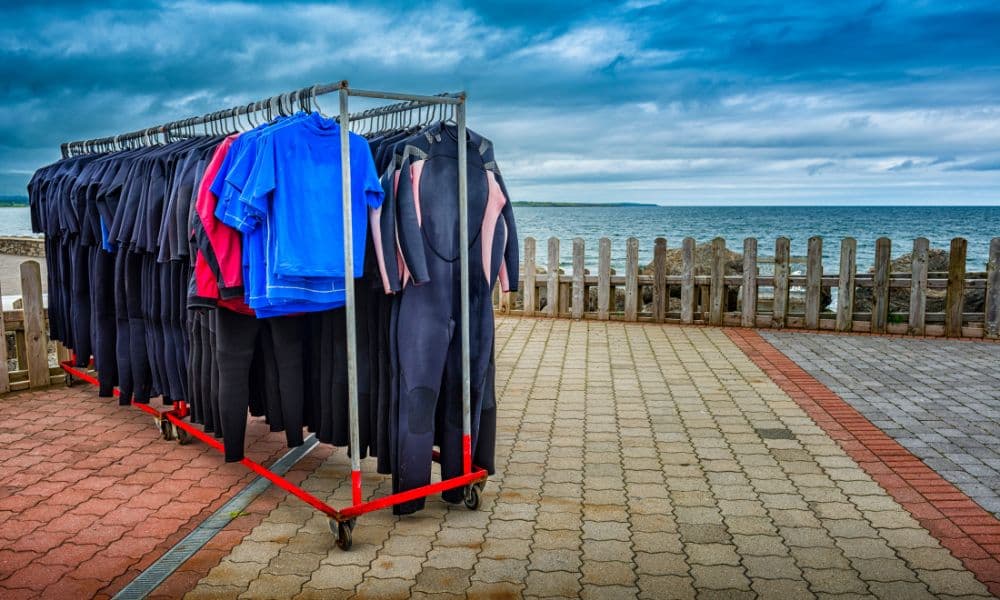
Ready for the Maldives with your wetsuit? See our ranked and rated list of the top Maldives liveaboards.
Full suit, shorty or semi-dry?
This question matters more than thickness for many divers, because the suit type decides where you're covered and how flexible you are between environments.
| Suit | Right for | The catch |
|---|---|---|
| Full suit | Any water below 24°C, and arguably warm water too: the reef protection alone justifies full coverage where there is fire coral or strong current | A full suit in 3 mm is not significantly more restrictive than a shorty, and gives you considerably more versatility |
| Shorty | Very warm water snorkelling and shallow reef diving, where thermal protection is minimal | It leaves arms and legs exposed. In current, on a boat with air conditioning, or at any depth in shoulder season, you'll be colder than expected |
| Semi-dry | Below 15°C, when a 7 mm wetsuit isn't enough but a drysuit is more gear investment than you want to make | It needs a proper fit, because poor seals undermine the whole point, and it's heavier and more restrictive, so it's not for warm water |
The semi-dry sits between a standard wetsuit and a drysuit. It uses better seals at the wrists, ankles and neck to significantly reduce water exchange, so the layer of water in the suit stays warmer for longer. Try before you buy, and buy from a reputable brand.
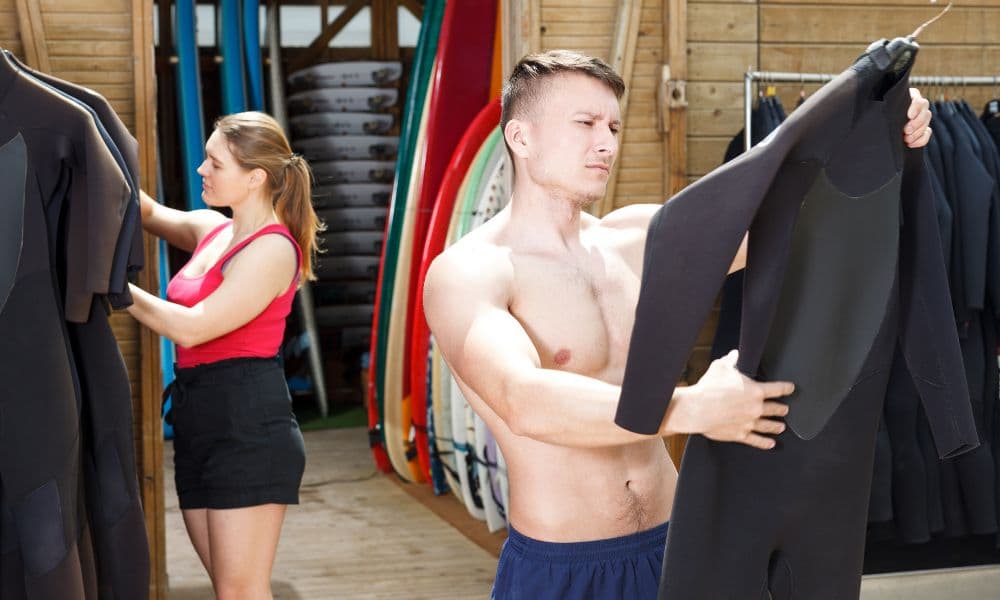
The hood nobody talks about
This is the non-negotiable that most wetsuit guides bury in a footnote: if you're diving in water below 22°C without a hood, you're losing a significant amount of the thermal benefit your wetsuit provides. Full stop.
The head and neck are high blood-flow areas. Leaving them uncovered in cool water means your body is constantly working to maintain core temperature against heat loss from above the suit's coverage. You get cold faster, get out earlier and miss the last third of a dive. A hood changes this immediately.
Most full wetsuits in 5 mm and above come with an integrated hood, or a separate hood is sold alongside. For 3 mm suits in warmer water, a separate hood is worth keeping in your bag for days when the water is cooler than expected: thermoclines, early morning dives, north-facing walls. It adds nothing to your packing weight and changes everything about comfort on cold-snap days.
I personally dived in conditions from 16 degrees to 25 in a 5mm with a 3mm hooded rash guard underneath, and worked like a charm.
Manie Eksteen, PADI Staff Instructor
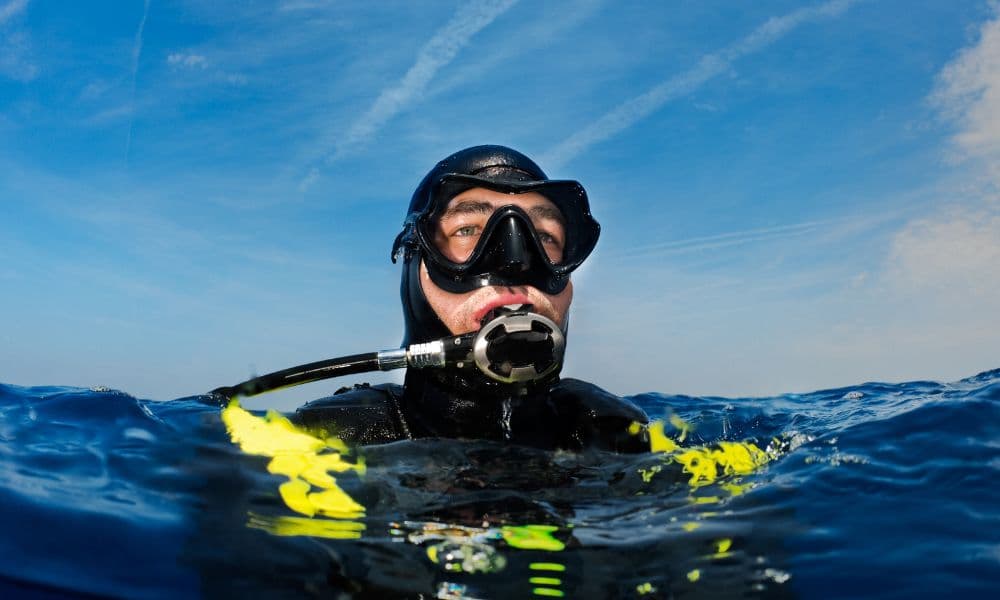
Getting the fit right
A well-fitting wetsuit has no air pockets. When you press on the suit at the shoulders, under the arms or across the back, you should feel neoprene against skin, not a gap with air inside. Those air pockets collapse on descent, create cold spots and reduce the suit's thermal performance at depth.
That said, once you hit the water most suits mould to your body and get more comfortable. If you have a body type outside the standard and no suit you try on fits well, consider getting one custom made.
Try this
Try the suit on before buying. This is non-negotiable. Check four areas:
- Under the arms: there should be no bunching or pooling of material. Excess neoprene here restricts arm movement and creates an air pocket that becomes uncomfortable underwater.
- Across the shoulders: the suit should lie flat. If the material pulls when you raise your arms, the suit is too small. If there's slack, it's too large.
- At the neck: the seal should be snug but not restrict breathing. You should be able to turn your head comfortably in both directions.
- At the crotch: a suit that sits too low will pull down on the shoulders with every kick. It should seat correctly. If it's uncomfortable on land, it'll be worse in the water.
Getting in without damaging the suit
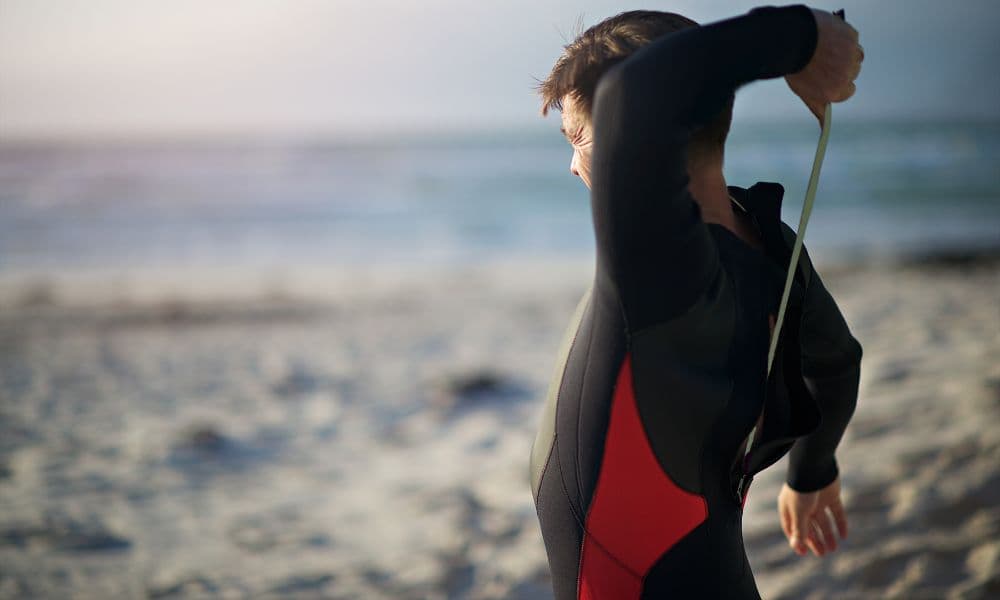
How you put a wetsuit on directly affects how long it lasts. Nails, rings and rough handling tear neoprene. Pull the suit up in sections: calves first, then knees, then thighs, then torso. Don't try to drag the whole thing on at once. Use flat palms rather than fingertips. If the suit is stiff, a small amount of warm water inside helps the neoprene flex.
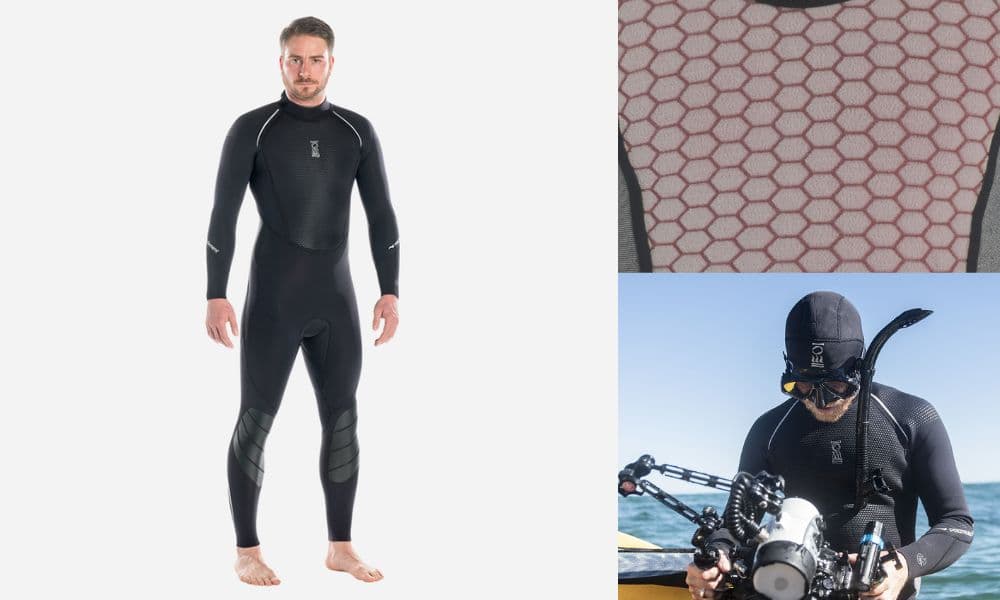
Modern suits have addressed this substantially. Stretch neoprene, used by brands like Fourth Element and Aqualung in their current lines, is significantly easier to get into than older stiff neoprene. If you have any physical limitation with flexibility or grip strength, look for suits marketed as ultra-stretch or super-stretch. The difference in entry effort is real and not a marketing claim.
Brands worth considering
Wetsuits are personal in a way that regulators and BCDs aren't: what fits one body well may not fit another. That said, some brands consistently produce suits that fit a wide range of body types and hold up to regular use.
- Fourth Element produces some of the most technically refined wetsuits on the market. Their Proteus and Hydra ranges use highly flexible neoprene with excellent thermal performance. The suits run well fitted and are worth trying if you dive in temperate to cold water regularly.
- Aqualung produces reliable wetsuits across the temperature range. The Bali (3 mm) for warm water and the Iceland (7 mm) for cold are benchmarks in their categories, with consistent fit across body types and durable construction.
Beyond brand, the rule is try before you buy. A suit you've worn in a pool session and confirmed fits correctly is worth more than the most technically impressive suit on paper that you've only tried standing in a shop.
Common wetsuit mistakes
- Buying on air temperature. Water temperature is the relevant number. Check the sea temperature for your destination at the time of year you're diving.
- Going too thin to pack light. A 3 mm suit that leaves you cold for the last 20 minutes of every dive is not a packing win. Carry the right suit for the water.
- Ignoring the stitching. Suits with exposed stitching on the seams are vulnerable to damage and salt degradation over time. Glued and blindstitched suits are the better choice. Avoid suits where the stitching sits proud and exposed on the outer surface.
- Skipping the hood. The single most common source of unnecessary coldness in cool water.
- Not breaking it in. A new wetsuit is stiffer than a worn-in one. Your first few dives in a new suit are the hardest entry and exit. This is normal and not a sign of a bad fit. It eases within a few sessions.
Questions
What thickness scuba wetsuit do I need for warm water?
For water above 24°C, such as the Maldives, Red Sea, Thailand and the Philippines, a 3 mm full suit is the standard. A shorty works for very shallow snorkelling in water above 28°C, but a 3 mm full suit gives you reef protection and more versatility. The additional thickness is minimal and worth it.
Does a scuba wetsuit need a hood?
In water below 22°C, yes: a hood makes a measurable difference to thermal comfort. In warmer water a hood is optional, but worth keeping available for thermoclines and cool-snap conditions. Suits of 5 mm and above should almost always be worn with a hood.
What is a semi-dry wetsuit and when should I use it?
A semi-dry wetsuit uses better seals at the wrists, ankles and neck to reduce water exchange inside the suit, so the layer of water stays warmer for longer than in a standard wetsuit. Use a semi-dry in water between 10–15°C, where a standard 7 mm isn't enough but a full drysuit investment isn't warranted.
How do I know if my wetsuit fits correctly?
Put it on fully and check for air pockets under the arms, across the shoulders and at the back. Press the neoprene against your skin: you should feel contact, not gaps. The neck seal should be snug but not restrictive, and the crotch should sit correctly without pulling the shoulders down. If any of these aren't right in the shop, they'll be worse in the water.
What wetsuit brands do instructors recommend?
Fourth Element and Aqualung are consistently recommended across the temperature range: technically sound construction, good fit across body types, durable. That said, the fit on your specific body matters more than brand reputation. Try multiple brands before committing. The one that fits you correctly is the right brand.
How do I stop damaging my wetsuit when putting it on?
Use flat palms rather than fingertips. Pull the suit up in sections from the ankles rather than dragging the whole thing on at once. A small amount of warm water inside the suit helps the neoprene flex on the first entry. Remove rings and long nails if possible. These habits add years to a suit that takes real punishment from salt, sun and repeated use. Make it part of your pre-dive safety check routine to inspect the suit for tears or seal damage before each session.