
Dive both before you buy
The BCD you choose affects your trim, your comfort underwater and how your buoyancy develops over hundreds of dives. So the first thing to settle is whether you have spent real time in the water with both a back-inflation setup and a jacket-style setup, not just tried one on in a pool session. If you have not, try both before you spend anything.
This guide follows the scuba gear guide for beginners, which covers the full kit. Here the focus is BCDs: the types, who each is for, and how to buy one.
What a BCD does, and what it doesn't
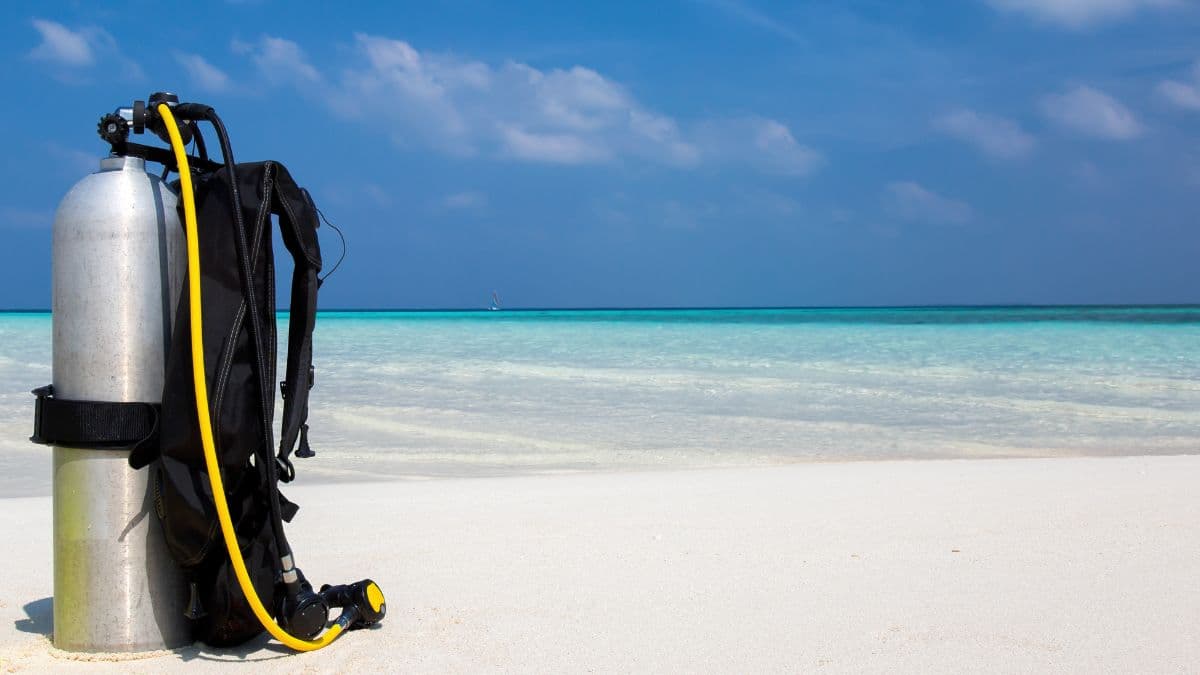
A BCD (buoyancy control device) gives you buoyancy at the surface and lets you fine-tune it underwater by adding or releasing air from a bladder, covering what your lungs cannot do. It also holds your cylinder and, if you use integrated weights, your weight system.
It does not make up for poor buoyancy skills. A well-fitted BCD on a diver with poor buoyancy control is still a poorly controlled diver. If you have not done a dedicated buoyancy course or workshop, that comes first.
The types, and who each is for
Where the bladder sits and how it inflates decides your trim, and trim decides how you dive.
Back inflation
The bladder inflates behind you, across your back. Underwater and neutrally buoyant, the air pushes you into a natural horizontal position, face-down and parallel to the reef. That is correct trim: it reduces drag, helps air consumption and puts you in the right position to see what is below you.
At the surface, particularly in rough water, back inflation can tilt you face-forward. It is manageable with practice, but worth knowing before your first dive in one.
"Back inflation is my default recommendation for most recreational divers." Manie Eksteen, PADI Staff Instructor
Jacket (side inflation)
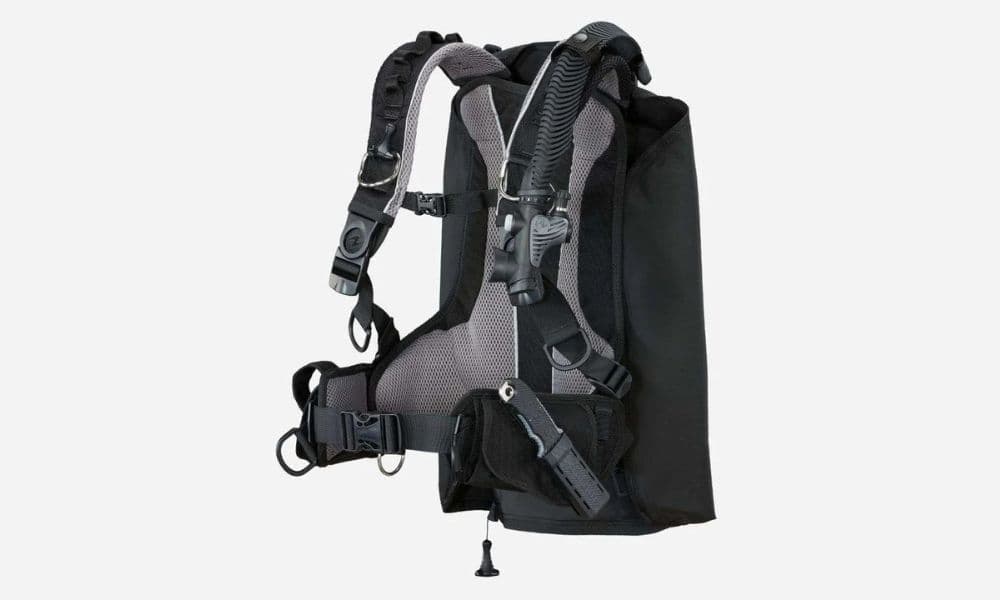
The bladder wraps around the sides and back. Inflated, it holds you upright at the surface, which feels reassuring to new divers. Underwater the air distributes unevenly, which tends to push the hips up and the head down, giving a slight diagonal position instead of the flat trim you want.
Jackets dominated the recreational market for decades and are the most common BCD in rental fleets. They suit the casual once-a-year diver: reliable, simple and sufficient for limited use. If you are buying your own kit and want to develop proper trim, back inflation is the better starting point.

Backplate and wing
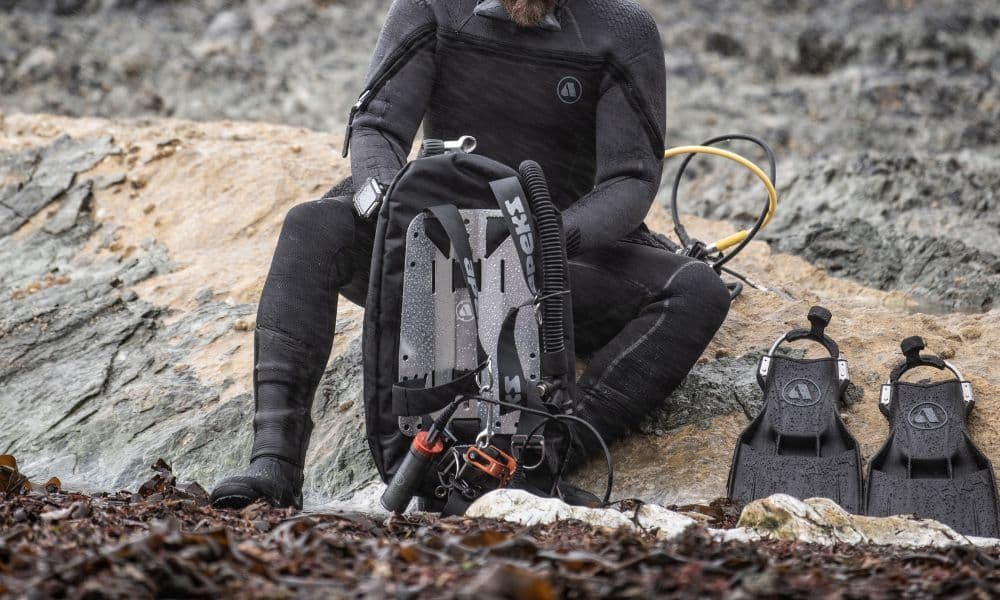
A rigid plate (aluminium or stainless steel) bolts directly to the tank, and a donut-shaped wing inflates behind you. A harness of webbing holds it together and adjusts precisely, and the wing size can be swapped for different dive profiles. Underwater it gives the flattest, most horizontal trim of any type. A steel plate also spreads the weight evenly along your back.
How far does your interest in diving go? That decides this one. If you are passionate about diving, like adding kit, or are already thinking about tech, sidemount, rebreathers or cave diving, a backplate and wing is the right long-term investment, and getting there early saves buying a jacket you will outgrow. If you are a solid recreational diver with no technical plans, a back-inflation BCD will serve you for thousands of dives.
It is not a travel BCD. A backplate and wing is heavier and bulkier than the lighter options.
Travel BCD
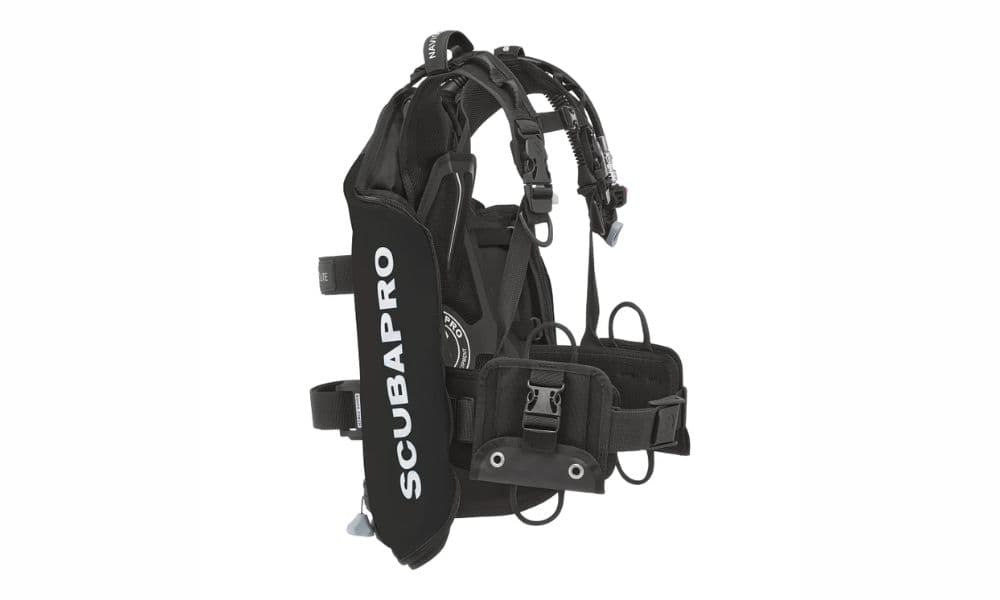
A lightweight travel BCD, such as the Scubapro Nav Light, packs down to a fraction of the size and weight of a standard BCD without much compromise for warm water, moderate depth and recreational reef diving. It is right for the diver who dives on holiday, shallow to moderate depth, and wants carry-on luggage to stay light.
If your trips are to the Maldives, Raja Ampat or the Red Sea, where the water is warm and clear and nothing is hectic, a travel BCD makes the logistics simpler.
How to buy a BCD without getting it wrong
The biggest mistake is buying on appearance. A diver who has not tried both back inflation and jacket walks into a shop, sees a colour they like, gets a good sales pitch and leaves with something that looks great and may not suit how they dive.
The consequence is easy to miss. If you buy the wrong BCD before you understand proper buoyancy, you will fight for trim without knowing why, and compensate with fin kicks and hand movements that burn air and disturb the reef. Most divers cannot afford to rebuy, so the cheap fix is one pool or shallow-water session with both setups first.
- Try before you buy. Ask for a demo dive or pool session with any BCD you are seriously considering. Any reputable dive shop will agree. If one will not, find another.
- Get it properly fitted. Sizing is not just small, medium or large. Harness placement, shoulder straps and waist band all change how the bladder sits relative to your lungs. The same BCD one size out will behave completely differently, so insist on getting in the water before you pay.
- Buy for the diving you do. If you dive once a year on holiday, a backplate and wing is getting ahead of yourself. You can upgrade later. You cannot un-spend money on gear you are not ready for.
- Keep it simple. Every piece of kit you attach to a BCD can snag, leak, fail or create drag. Experienced technical divers strip their setups down, not up.

Questions
What is the best scuba BCD for beginners?
A back-inflation BCD from a reputable manufacturer such as Scubapro, Aqualung or Apex. Back inflation gives better horizontal trim than a jacket BCD, which helps you develop correct positioning from the start. Get properly fitted in the shop and do a pool session before you buy.
What is the difference between a jacket BCD and back inflation?
A jacket BCD inflates around the sides and back, holding you upright at the surface and giving a slightly diagonal position underwater. Back inflation fills behind you and pushes you into a horizontal trim that is more hydrodynamic and better for reef diving. For most divers buying their own gear, back inflation is the better choice.
When should I switch to a backplate and wing BCD?
When you are serious enough about diving that proper trim matters more than convenience. If you are heading toward technical diving, sidemount or cave diving, switch sooner. If you are a solid recreational diver with no technical plans, a quality back-inflation BCD will serve you indefinitely.
Do I need to service my scuba BCD?
Yes, annually or per the manufacturer's schedule. The inflator mechanism, dump valves and bladder all degrade over time, and a BCD that will not inflate or will not dump air at depth is a serious problem. Service it on the same schedule as your regulator, and check the inflator and dump valves in your pre-dive safety check on every dive.
Is a travel BCD worth it?
For divers who travel internationally often and care about luggage weight, yes. Travel BCDs give up some lift capacity and durability compared with standard ones, but they perform adequately for warm-water recreational diving. They are not the right choice for cold water, deep diving or heavy kit configurations.