Best Time to Dive Maldives: Month-by-Month Guide

Share this article
The best time to dive Maldives depends on which atoll & which species. Here's the monthly breakdown — mantas, whale sharks, & visibility.

Let’s Take A Look At When The Best Time To Dive Maldives

The best time to dive the Maldives is not a single answer — and any guide that gives you one is oversimplifying. The Maldives is an archipelago of 26 atolls stretching nearly 800 kilometres from north to south, and the same weather system that makes one atoll excellent will push another to marginal conditions. More importantly, the species you’re there for — mantas, whale sharks, tiger sharks — operate on seasonal windows that shift by atoll, sometimes by just a few weeks.

That’s the honest version. Here’s how to use it.

Dive Maldives Atolls
26 Atolls Stretching nearly 800km's

Understanding Maldives Diving Seasons

The Maldives has two monsoon seasons. The northeast monsoon (locally called Iruvai) runs from December to March, bringing the dry season: calm seas, lower rainfall, and the best conditions for the northern and central atolls. The southwest monsoon (Hulhangu) runs from May to November, bringing more wind, rain, and rougher surface conditions in some areas — but also the nutrient upwellings that drive the manta and whale shark aggregations that define Maldives diving.

This is the key point most seasonal guides miss: the wet season is often the best season for the species that matter.

April and October are transition months. Conditions in transition periods are unpredictable but can be excellent. Neither month is one to avoid — they’re just harder to plan for with certainty.

For diving Maldives overall, neither season is bad. The question is what you’re optimising for, and that will tell you when is the best time to dive Maldives for you.

The Two Seasons:

Season Months Conditions Best Atolls
1 Dry / Northeast monsoon Dec–Mar Calm seas, clear water North Malé, Ari, Lhaviyani
2 Wet / Southwest monsoon May–Nov More wind/rain, productive water Baa, South Ari, outer atolls

Month-by-Month: When to Dive Each Atoll

December to March — The Dry Season Window to dive Maldives.

December through March is when the Maldives is most photographed and most marketed. The northeast monsoon brings calm, flat seas across the northern atolls — North Malé, Ari, Lhaviyani — with visibility pushing 25–30 metres on good days. Water temperature sits between 27–29°C; a 3mm shorty is comfortable, though a full 3mm suit is better for multiple daily dives.

This is excellent reef diving. Coral coverage in the Maldives is remarkable for an Indian Ocean destination that’s had its share of bleaching events, and the dry season is when the reef colours show at their best in clear, well-lit water.

For mantas, the dry season is the North Malé and Ari Atoll window — cleaning station encounters at sites like Lankan Finolhu and Fish Head, where mantas come to be cleaned rather than to feed. These are close, unhurried encounters in clear water. However, the Hanifaru Bay aggregations — the most dramatic manta feeding spectacle in the world — are a wet season event. If the aggregations are the goal, this isn’t the season.

Whale sharks are present in Ari Atoll (particularly South Ari) year-round but peak encounters tend to be during the transition months rather than the heart of the dry season.

This is the best time to dive Maldives if you are looking for calm weather. 

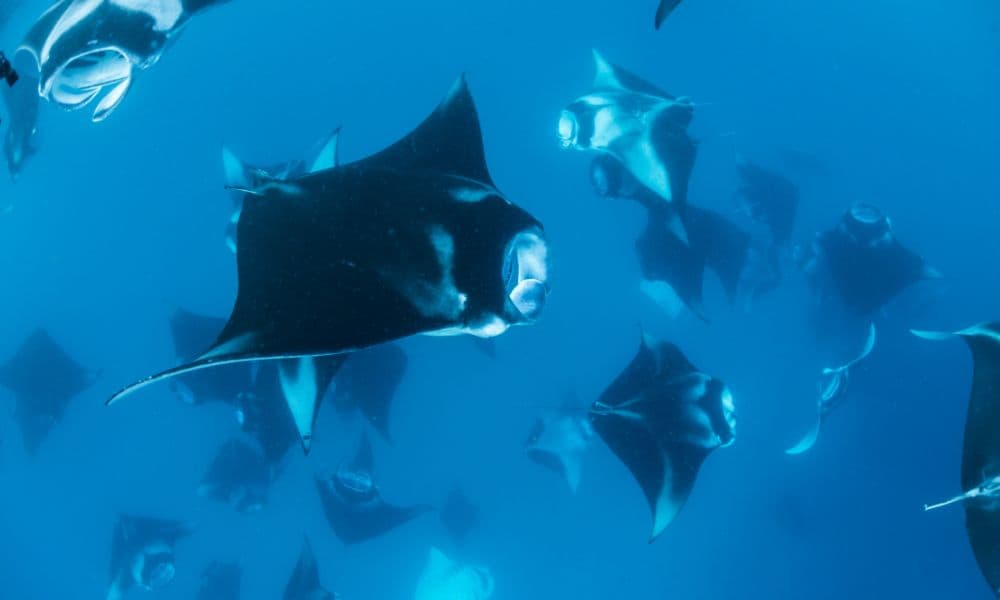
Manta Rays while diving Maldives
Manta Rays Hanifaru Bay, Baa Atoll

May to November — The Productive Season to dive Maldives

This is the season most experienced divers prefer to dive Maldives, and it’s the one most first-timers are steered away from based on the word “monsoon.” That framing is misleading.

The southwest monsoon increases surface roughness across the western sides of atolls, but the diving happens beneath the surface — and beneath the surface, the increased nutrient flow from the open ocean drives aggregations of filter feeders that are simply not present in the calm dry season. The mantas aren’t at Hanifaru Bay because the weather is good. They’re there because the plankton is there. 

Hanifaru Bay, Baa Atoll (June to November)

is the most significant manta ray aggregation site on the planet. On a good day, 50–200 mantas feed in a small bay in synchronised cyclone formations — a natural spectacle that has no equal in diving. The window peaks July through October. June and November are shoulder months with lower but still significant aggregation frequency.

South Ari Atoll whale sharks (year-round, peaks June to November)

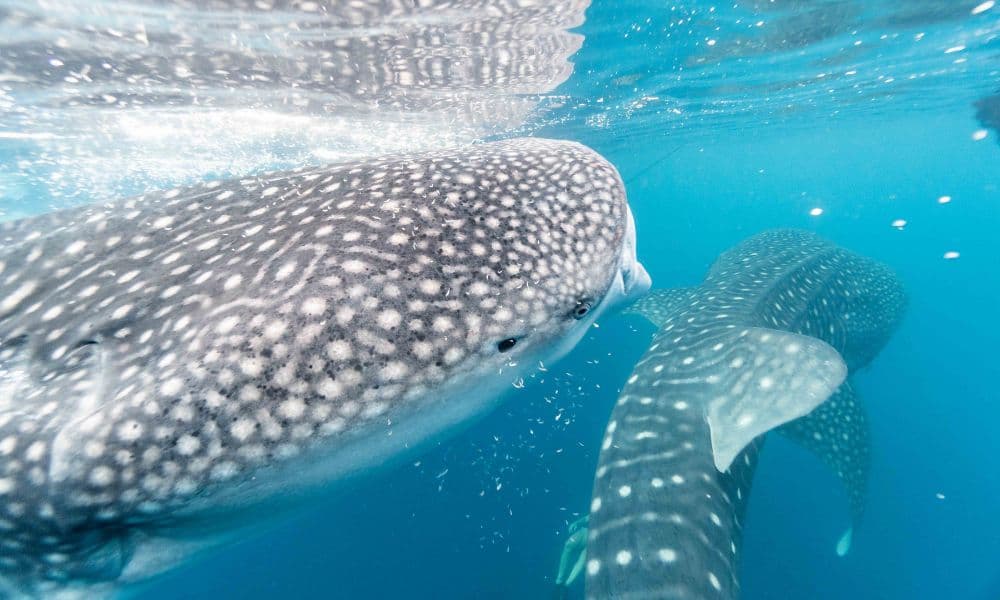
South Ari is the most reliable whale shark site in the Maldives and one of the most reliable in the world. The whale sharks here are mostly juveniles, present in the channel between the atoll and the open ocean consistently enough that dedicated whale shark dive operations run daily. The peak season aligns with the southwest monsoon, but encounters are documented every month of the year.

Fuvahmulah (year-round, peaks October to February)

The tiger shark site. Fuvahmulah sits isolated south of the main Maldivian chain and operates under different conditions from the atolls above. Tiger sharks feed on the tuna aggregations here consistently, and the site has become one of the only places in the world where tiger shark encounters are reliably planned rather than hoped for. The dry season months are marginally better for visibility and ocean conditions, but the sharks are there year-round.

This is the best time to dive Maldives if you are looking to get action from the “big stuff”.

Tiger Shark

Species Windows to dive Maldives — When to Go for What

The Maldives manta ray season and whale shark timing don’t always align — here’s the decision framework: 

Species Best Window Best Atoll Notes
1 Manta rays (feeding aggregations) July–October Baa (Hanifaru Bay) Most dramatic encounters; plan specifically for this window
2 Manta rays (cleaning stations) Dec–Mar, Jun–Jul North Malé, Ari Closer, calmer encounters; less dramatic but reliable
3 Whale sharks Jun–Nov (peak); year-round South Ari Atoll Most reliable year-round whale shark site in the world
4 Tiger sharks Year-round (Oct–Feb best visibility) Fuvahmulah Requires dedicated liveaboard; isolated location
5 Hammerheads Jan–Apr Rasdhoo Atoll Early morning, blue water; variable sighting frequency
6 Thresher sharks Year-round Fuvahmulah Less targeted but sighted regularly

The combination:

Hanifaru Bay mantas (peak July–October) and South Ari whale sharks (same window) can be combined on a central-to-north itinerary liveaboard in July–September. This is the closest you’ll get to a Maldives “do everything in one trip” window.

Whaleshark feeding in Ari Atoll

Liveaboard vs Resort: Does the Season Change the Decision when to dive Maldives?

It does, more than most guides acknowledge. See the Maldives liveaboard vs resort guide for the full breakdown, but here’s the seasonal dimension for the best time to dive Maldives:

Dry season (December–March):

Both resort and liveaboard work well. Surface conditions are calm enough that resort-based day trips reach most sites. The difference is in the number of dives and sites covered per day — liveaboards still win there, but the resort option is genuinely viable.

Wet season (May–November):

Liveaboard is significantly better. The species windows shift atoll by atoll, and a liveaboard gives you the flexibility to position exactly where the aggregations are happening on a given week. A resort is geographically fixed; if Hanifaru is producing, you need to be in Baa. A liveaboard can be there.

For Hanifaru Bay specifically, access is restricted — only permitted operators can enter the bay, and liveaboard bookings for July–October fill months in advance.

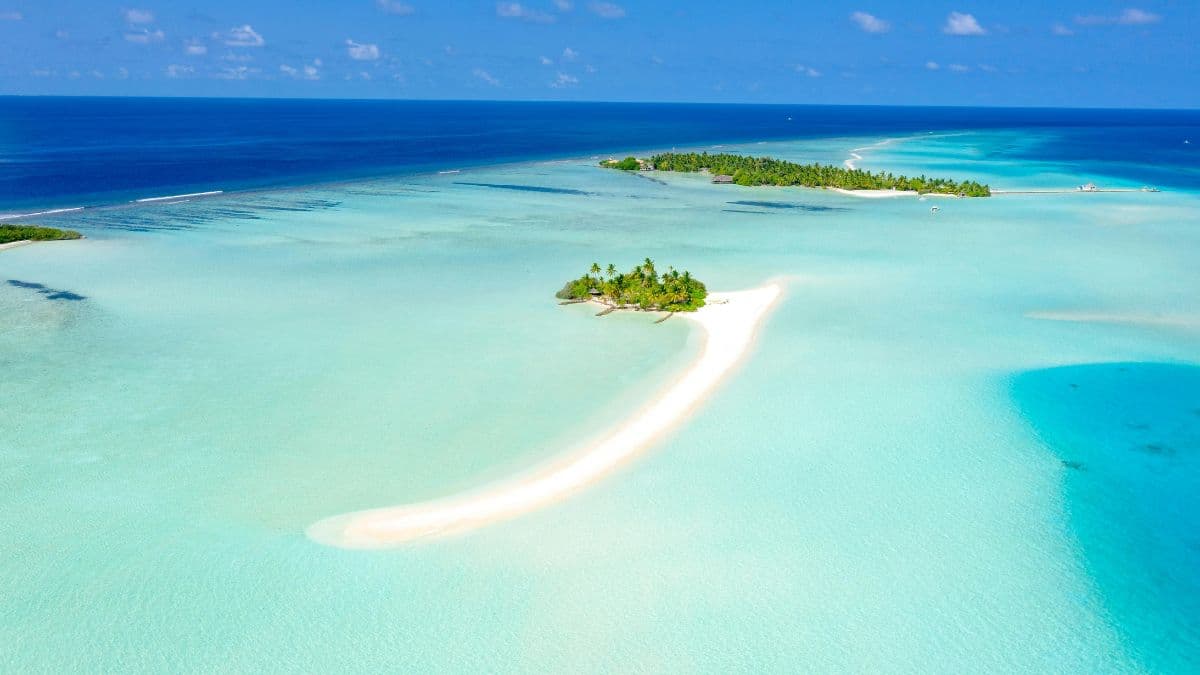
Maldives Beach resort

Practical Considerations on when to Dive Maldives


Water temperature:

26–30°C year-round. A 3mm shorty is the minimum; a full 3mm suit is more comfortable for multiple daily dives. In the deeper outer atoll diving — Fuvahmulah, Rasdhoo — a full suit is recommended regardless of season.

For guidance on wetsuit choice, see what wetsuit thickness you actually need in the Maldives.

Visibility:

Dry season visibility is cleaner — 25–30 metres on good days. Wet season visibility is more variable; on productive plankton days it drops to 10–15 metres at Hanifaru and around the whale shark aggregations. That trade-off is worth making — you’re not coming for visibility, you’re coming for the mantas.

Booking lead time to dive Maldives:

July–October Hanifaru-focused liveaboards and whale shark dive packages sell out far in advance. Don’t assume you can book two months out for peak season — six months minimum for the best boats.

Browse Maldives liveaboards by season on Divebooker →

Quick Summary: Month-by-Month Snapshot on The Best Time To Dive Maldives

Month Season Conditions Go For
1 January Dry Excellent Reef diving, cleaning station mantas, hammerheads (Rasdhoo)
2 February Dry Excellent Same as January; hammerhead peak
3 March Dry → Transition Good Cleaning station mantas; end of hammerhead window
4 April Transition Variable Unpredictable; local knowledge critical
5 May Wet begins Improving Whale sharks building; mantas at cleaning stations
6 June Wet Good Hanifaru opens; whale sharks strong
7 July Wet Very good Hanifaru peak begins; whale sharks excellent
8 August Wet Peak Best month for Hanifaru aggregations; whale sharks
9 September Wet Peak Hanifaru strong; whale sharks; best "do both" month
10 October Wet → Transition Good Hanifaru tapering; whale sharks still good
11 November Transition Variable Fuvahmulah tiger sharks; transition conditions
12 December Dry begins Excellent Reef diving, cleaning station mantas; visibility recovering

Frequently Asked Questions on The Best Time To Dive Maldives

What is the best month to dive the Maldives?

It depends on species priority. For manta ray feeding aggregations at Hanifaru Bay, July to October. For whale sharks at South Ari Atoll, June to November. For the best general reef diving conditions and visibility, December to March. For a combined manta and whale shark trip, September is the strongest single month.

Yes — and often better than the dry season for the species that matter most. The southwest monsoon (May–November) drives the nutrient upwellings that feed the manta and whale shark aggregations. The trade-off is lower visibility on productive days and more surface chop. Most experienced Maldives divers prefer the wet season for exactly this reason.

Yes — the July to October window overlaps for both species. A central-to-north liveaboard itinerary in August or September can cover Hanifaru Bay mantas (Baa Atoll) and South Ari whale sharks in the same trip.

Book well in advance to dive Maldives.— these itineraries sell out months ahead of peak season.

The resort and diving seasons roughly align but with different priorities. Resorts fill for December–January (Christmas/New Year) and for the dry season generally. The best diving months (July–October) are technically “wet season” and often better value for accommodation. Liveaboards in the wet season are the best ratio of diving quality to cost.

Yes — the Maldives offers quality diving every month. The question is which atolls and which species. Some sites like South Ari (whale sharks) and Fuvahmulah (tiger sharks) are genuinely year-round. Others, like Hanifaru Bay, have a defined seasonal window.

Plan to dive Maldives around your species priorities rather than treating the Maldives as a single seasonal choice.

Between 26–30°C year-round, with minimal variation between seasons. A 3mm shorty is the minimum for surface conditions; a full 3mm suit is recommended for multiple daily dives and for any deeper outer atoll diving.

Water temperature is not a meaningful factor in timing a Maldives dive trip — species and conditions should drive the decision.

Explore further

Enjoyed this article? Share it with your friends
Ready to Book Your Liveaboard Adventure?

Compare 100+ liveaboards worldwide. Best price guarantee + Free DAN dive insurance included.

Before you go…

One tip. Top deals. Every Thursday.

Join divers getting the week’s biggest liveaboard savings — plus one pro insight from 12 years underwater.

The Weekly Dive lands every Thursday. No fluff, no spam. Unsubscribe anytime.