
Introduction to Diving Marsa Alam
Most divers who’ve been to Egypt have dived the north — Sharm El Sheikh, Thistlegorm, Ras Mohammed. Marsa Alam is what they go back for.
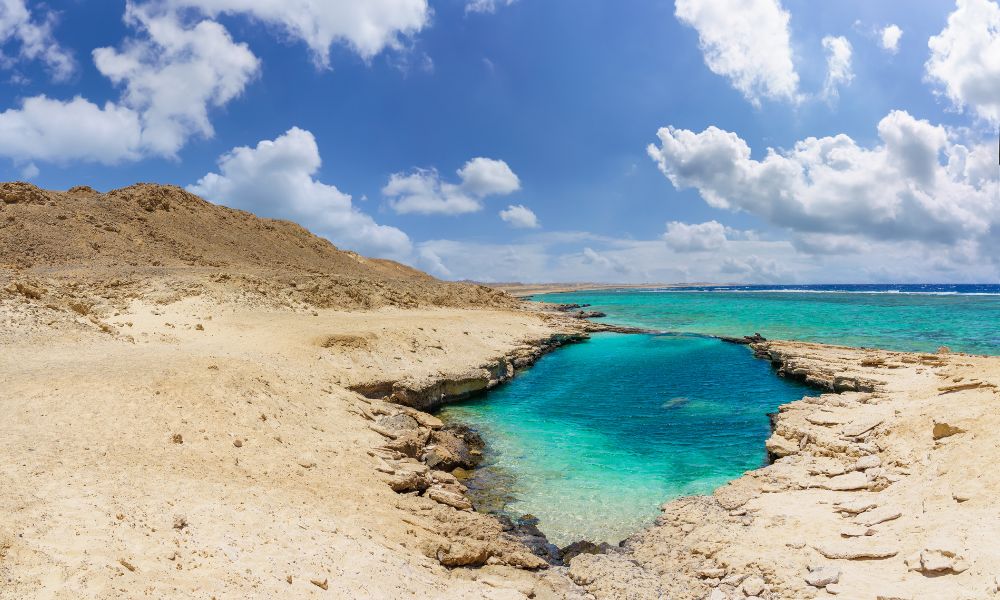
The town sits on the southern Egyptian coast roughly 200 kilometres south of Hurghada, and its significance isn’t about the town itself — it’s about access. From Marsa Alam and its surrounding ports, you can reach Elphinstone Reef and Daedalus Reef faster than from anywhere else on the Egyptian coast. The Golden Triangle sites — Brothers, Elphinstone, Daedalus — are the reason serious Red Sea divers come south, and Marsa Alam is the southern door that makes them accessible.
But Marsa Alam has something else that the north doesn’t: Abu Dabbab Bay. And if you dive with dugongs — proper encounters in clear, shallow water — you’ll remember it longer than any shark dive.
Why Marsa Alam, Not Hurghada
The north Red Sea circuit — Thistlegorm, Abu Nuhas, Ras Mohammed, Straits of Tiran — departs from Sharm El Sheikh and Hurghada. Those are the right bases for the north.
The south circuit is different. Brothers Islands sits roughly equidistant between Hurghada and Marsa Alam, but Elphinstone and Daedalus are significantly closer to Port Ghalib (the modern marina south of Marsa Alam) than to Hurghada. Liveaboards running serious south itineraries typically depart from Hurghada or Port Ghalib — and many of the best boats choose Port Ghalib specifically to cut down the crossing time to the southern sites.
For divers not on a liveaboard, Marsa Alam and Port Ghalib offer day trip access to Elphinstone in good weather — something Hurghada can’t reliably offer because the crossing is simply too long for a day operation. If you want to base yourself on land and still reach the southern dive sites, Marsa Alam is the only logical choice.
The Dive Sites at Marsa Alam
Abu Dabbab Bay — Dugongs and Sea Turtles
The most underrated dive in the Red Sea.
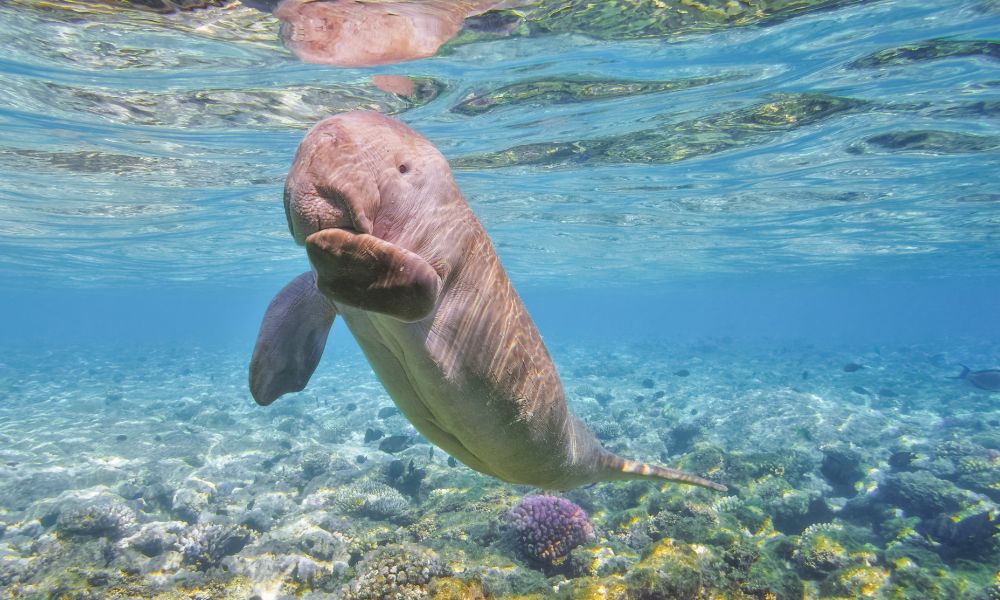
Abu Dabbab Bay sits about 30 kilometres north of Marsa Alam and contains a shallow, seagrass-covered bay that is one of the most reliable places in the world to encounter dugongs in the wild. These are large, slow-moving marine mammals — closest relatives to the manatee — that graze on the seagrass beds in 3 to 15 metres of water. They’ve been present in Abu Dabbab consistently enough that they’ve become a genuine reason to build a trip around the area.
The dive here doesn’t look like the reef diving you do anywhere else in the Red Sea. It’s a flat, seagrass environment — shallow, warm, clear. Visibility on calm days can be 15–20 metres in water that rarely exceeds 10 metres in depth. You descend onto the seagrass and wait. When a dugong appears it’s unhurried and unimpressed — they graze on their schedule, not yours.
The bay also holds good numbers of sea turtles, hawksbill and green, that come to feed on the seagrass alongside the dugongs. A morning dive at Abu Dabbab — dugong, turtle, and clear shallow water — is one of those dives that surprises divers who came south specifically for sharks.
Elphinstone Reef — The Drift Dive
One of the best shark dives in the world. 15km offshore.
Elphinstone is Marsa Alam’s flagship liveaboard site — a 300-metre submerged ridge that drops immediately to depth on both sides, with walls that rival anything in the Red Sea and oceanic whitetip sharks from October through December.
Elphinstone is technically accessible on a day trip from Marsa Alam in good weather — the reef is approximately 15 kilometres offshore from the coast. In practice, the weather dependency makes day trips unreliable for planning purposes, and a single day trip gives you one or two dives at a site that deserves more time. For the full experience — both plateaus, an early morning dive, a genuine chance at the whitetips — a liveaboard is the right call.
That said, if you’re based in Marsa Alam and conditions allow, a day trip to Elphinstone is available through the local operators. It’s not how I’d plan a dedicated trip to the site, but it’s better than missing it entirely.
→ Full guide: Elphinstone Reef — Sharks, Drift and the Best Walls in the Red Sea
Daedalus Reef — The Remote One
80km offshore. Liveaboard only. Worth it.
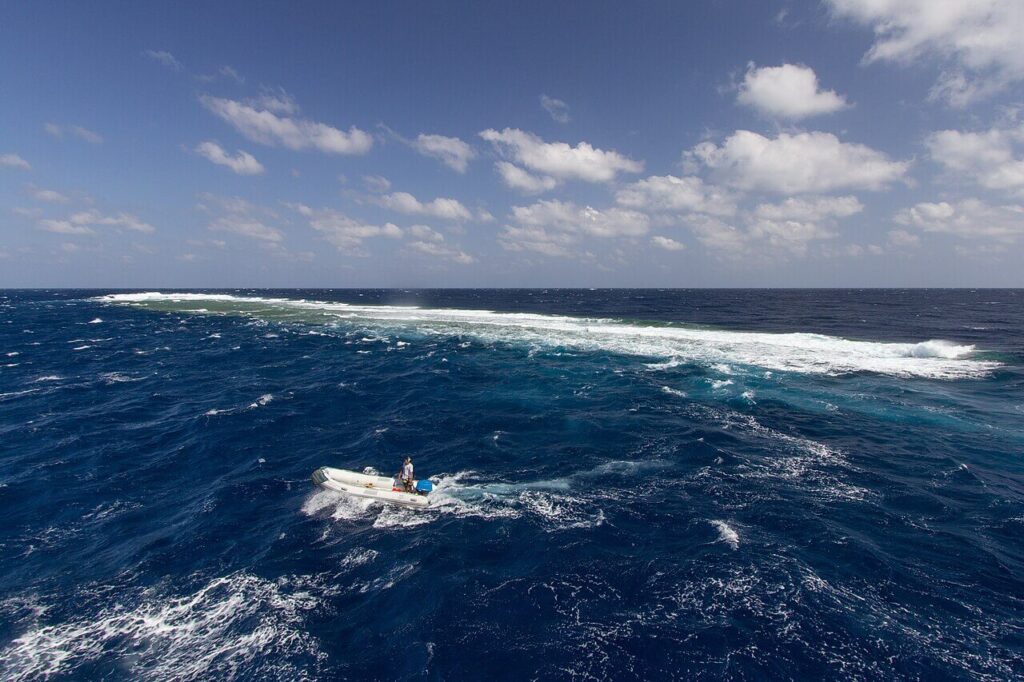
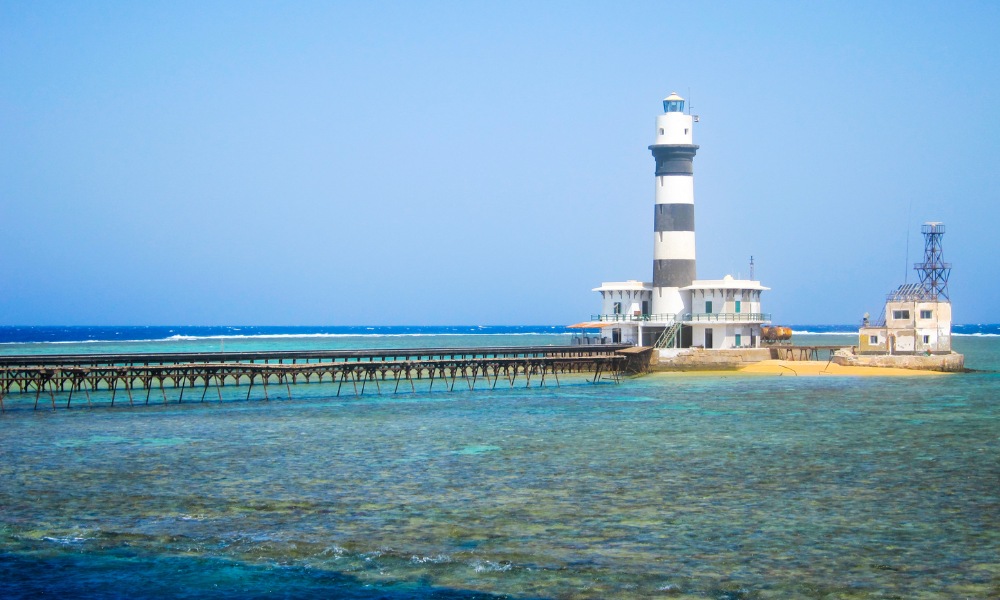
Daedalus sits roughly 80 kilometres east of Marsa Alam in open water — too far for day trips, exclusively accessible by liveaboard. It’s the most remote of the Golden Triangle sites and, for many divers who’ve been to all three, the most memorable: fewer boats, more intimate shark encounters, and a manned lighthouse on a tiny coral island in the middle of the open Red Sea.
South circuit liveaboards departing from Port Ghalib typically run Brothers-Elphinstone-Daedalus as a complete Golden Triangle itinerary. This is the right way to dive all three.
→ Full guide: Daedalus Reef — The Red Sea’s Most Remote Shark Dive
The Marsa Alam Shore Diving Scene
Less talked about, but worth knowing: the house reef and shore diving around Marsa Alam is genuinely excellent for recreational divers who want to do multiple dives without the cost or organisation of a liveaboard. The reefs directly offshore from the town and the resorts south towards Hamata are healthy, relatively undisturbed, and populated with the full range of Red Sea reef species.
The shore diving here hasn’t been marketed to the same degree as the Dahab Blue Hole or the Sharm sites — which means you’re more likely to have it to yourself. For a diver who wants to combine a relaxed resort stay with daily reef diving and occasional day trips to the offshore sites, Marsa Alam is an underutilised base.
Hamata Islands — The South’s Best-Kept Secret
Around 100 kilometres south of Marsa Alam, the Hamata archipelago is a collection of small islands and reefs that see minimal dive traffic. The lack of infrastructure is the point — what gets there is healthy reef, clear water, and species populations that haven’t been habituated to large diver groups.
Accessible via day trip from Hamata village or as a stop on liveaboards running deep south itineraries. If you’re on a south circuit boat and the captain offers Hamata, take it.
North vs South: How Marsa Alam Fits
For divers who’ve dived the north — Thistlegorm, Ras Mohammed, the Straits of Tiran — and want to understand what the south offers, here’s the honest comparison:
The north Red Sea is exceptional and accessible. The sites are well-managed, conditions are generally benign, and it’s the right circuit for most recreational divers. The wrecks are world-class. Anyone coming to Egypt for the first time should start there.
The south is different in character. More remote, more demanding, more dependent on conditions. The rewards — the Golden Triangle sites, the pelagic species, Abu Dabbab — are not available anywhere else on the Red Sea circuit. Divers who’ve done both consistently say the south is where the Red Sea surprised them most.
Marsa Alam is where you go when you’re ready for the south.
To get the complete picture, check our our guide: Red Sea Liveaboard: North vs. South Itineraries
When to Go
October to February for the south circuit sites — Elphinstone, Daedalus, and the best pelagic encounters. Water temperature 22–26°C. 5mm wetsuit appropriate.
March to May for the shoulder season — conditions still excellent, pelagics tapering off, Abu Dabbab and the shore diving at their comfortable best.
June to September — warm water (28°C+), less pelagic activity, but Abu Dabbab is accessible year-round and the shore diving continues throughout summer. Not the season to plan a south circuit liveaboard.
For a month to month breakdown, check out: Best Time to Dive the Red Sea: A Month-by-Month Guide
Getting to Marsa Alam
Marsa Alam International Airport receives direct flights from several European hubs, particularly UK and German charter routes in peak season. Alternatively, fly into Hurghada and transfer south — approximately 2.5 to 3 hours by road.
Port Ghalib marina, 20 kilometres north of Marsa Alam town, is where most of the serious south circuit liveaboards depart from. If you’re booking a liveaboard specifically for the Golden Triangle, check whether it departs from Port Ghalib or Hurghada — Port Ghalib cuts the crossing time to the southern sites significantly.
Browse Marsa Alam and southern Red Sea liveaboards on Divebooker →
Common Questions on Diving Marsa Alam
Is Marsa Alam good for diving?
Yes — it’s the best base in Egypt for the southern Red Sea. Access to Elphinstone and Daedalus Reef, the dugong encounters at Abu Dabbab Bay, good shore diving on relatively undisturbed reefs, and Port Ghalib as the departure point for serious south circuit liveaboards. It’s less developed than Sharm or Hurghada, which is part of the appeal.
Can you see dugongs at Marsa Alam?
Yes, reliably, at Abu Dabbab Bay — approximately 30 kilometres north of Marsa Alam town. It’s one of the most consistent dugong encounter sites in the world. The dugongs graze on the seagrass in 3–15 metres of water. Day trips to Abu Dabbab are available from most Marsa Alam dive centres year-round.
Is Marsa Alam or Hurghada better for diving?
Depends entirely on where you want to dive. Hurghada is the better base for the north circuit — the wrecks, Ras Mohammed, the Straits of Tiran. Marsa Alam and Port Ghalib are the right base for the southern Red Sea — Elphinstone, Daedalus, Abu Dabbab, the deep south sites. If your trip is specifically aimed at the Golden Triangle, Marsa Alam wins.
What is Port Ghalib?
Port Ghalib is a purpose-built marina and resort development approximately 20 kilometres north of Marsa Alam town. It’s the departure point for many south circuit liveaboards because of its proximity to the southern dive sites. Several liveaboard operators are based there, and the marina infrastructure makes it the most practical jumping-off point for the Golden Triangle.
Can you do day trips to Elphinstone from Marsa Alam?
In good weather, yes — Elphinstone is approximately 15 kilometres offshore from the Marsa Alam coast, which puts it within day trip range.
In practice, weather dependency makes day trip bookings unreliable, and a day trip gives you one or two dives at a site that deserves more.
For the full Elphinstone experience, a liveaboard is strongly recommended.
What certification do I need to dive in Marsa Alam?
Shore diving and Abu Dabbab are accessible to Open Water certified divers.
Elphinstone requires Advanced Open Water as a minimum — the open water conditions, depth, and blue water drift exceed what Open Water training prepares you for.
Daedalus has the same Advanced minimum requirement. Dive within your certification and experience level — the southern sites specifically are not places to push past your training.