
Let’s Take A Look At The Best Red Sea Wrecks And How To Dive Them
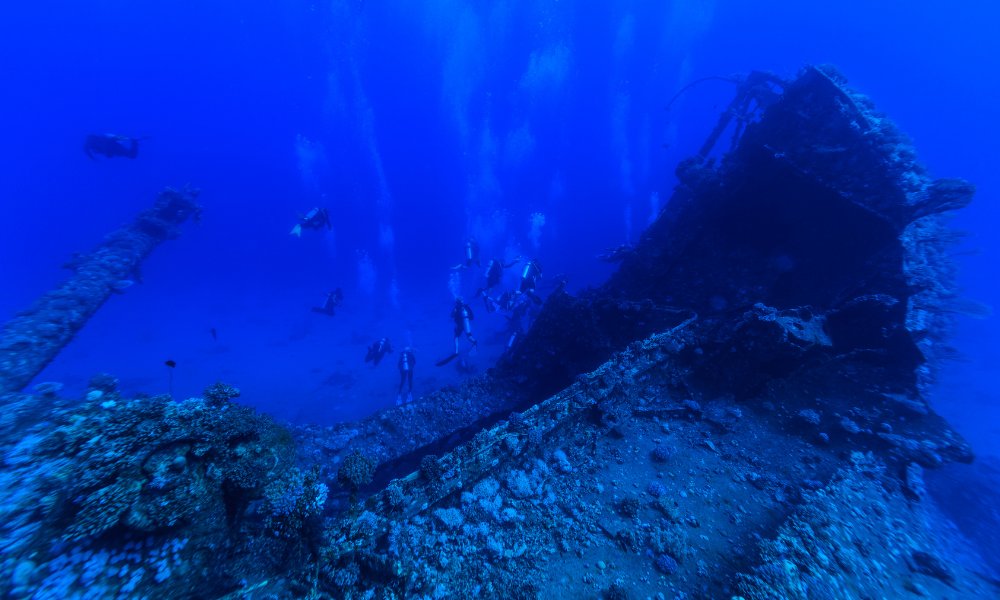
The Red Sea Wrecks are a product of geography and history and is simply stunning for those with a lust for rust.
The narrow shipping lane between Europe, Asia and Africa has been moving cargo through here for over a century, and the combination of a warm, clear sea and low wave action means many of those wrecks are in extraordinary condition.
I’ve dived the best of them — Thistlegorm, Abu Nuhas, Yolanda — and they’re each a completely different experience.
What makes wreck diving here work isn’t just the wrecks themselves. It’s the visibility. On a good day in the Red Sea you can see a 150-metre cargo ship before you even start to descent. Which blows your mind before even getting close.
Before You Dive: What Red Sea Wrecks Actually Require
A common mistake is treating wreck diving as just another dive. It isn’t — and the Red Sea’s best wrecks will expose any gaps in your diving quickly.
Buoyancy first.
This is the thing I drill into every student before a wreck dive. If you can’t hold neutral buoyancy without thinking about it, you’ll be kicking silt, touching structure, and limiting where your guide can take you. Do a dedicated buoyancy workshop before your first serious wreck dive if there’s any doubt.
It makes the difference between a surface-level wreck experience and actually getting inside the holds.
For a full guide, check out Mastering Scuba Diving Buoyancy
Finning technique.
A frog kick is the wreck diver’s default for good reason — it produces no downwash, keeps sediment settled, and lets you move slowly in tight spaces. If you only flutter kick, you’ll be the diver who stirs up the visibility for everyone behind you. Worth practising before the trip.
Know the history.
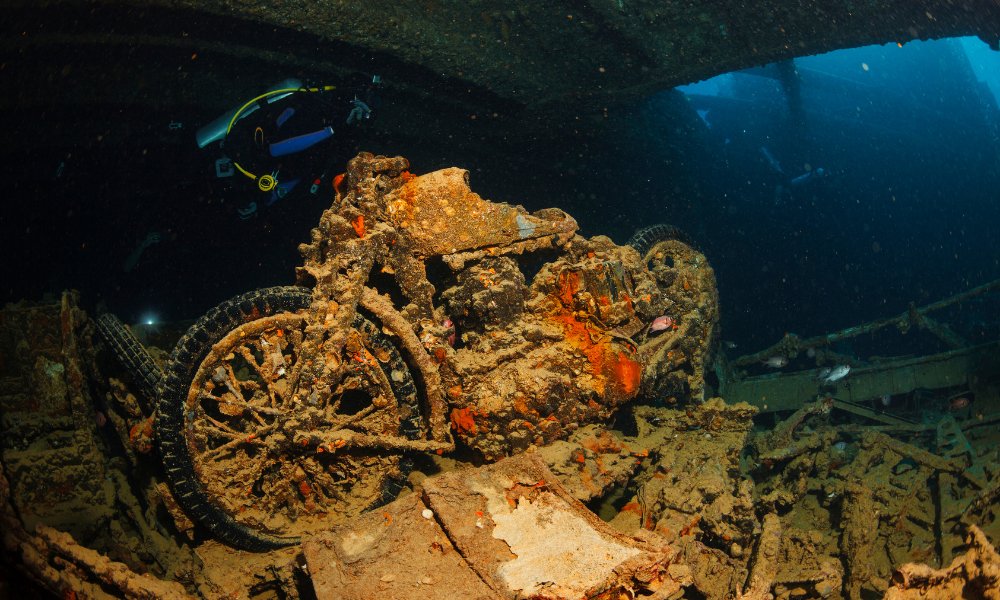
Every dive briefing will cover the basics, but the divers who get the most out of Thistlegorm are the ones who already know what they’re looking at. A WWII supply ship intercepted by Heinkel bombers in 1941 — with motorbikes, trucks, rifles and train carriages still in the holds — hits completely differently when you’ve done 20 minutes of reading the night before.
History turns a big metal object into something super special and surreal.
Air consumption and turning points.
On penetration dives, know your thirds rule and discuss turning points with your buddy before you get in. At a site like Abu Nuhas where you have four wrecks on one reef, it’s easy to extend the dive further than your air management allows. Talk it through beforehand.
Bring Your Own Torch.
Rental torches are fine for navigation but your own reliable torch — one you know the battery status on — is what you want inside a hold or at depth. Non-negotiable if you’re doing any penetration.
Our Best Red Sea Wrecks List
1. SS Thistlegorm — Sinai Peninsula, North Red Sea
The most famous wreck in the world. Dive it right.
The SS Thistlegorm is the benchmark that every other wreck dive gets measured against. A British WWII supply ship, 128 metres long, sunk in October 1941 by German bombers while anchored in the Strait of Gubal. She went down with her cargo intact — and that cargo is why divers come from everywhere to dive her.
Hold 4 is the one people remember: BSA motorcycles, Bedford trucks, Universal Carriers, and a steam locomotive on the deck. Hold 2 has rifles and ammunition still in wooden crates. The structure is remarkably intact for a wreck that’s been underwater for over 80 years.
My honest advice: don’t dive Thistlegorm as your first ever wreck.
If this is your first Red Sea wreck trip, start somewhere calmer and build your wreck skills before you get here, if the itinerary allows.
Thistlegorm at peak time is a busy site — multiple boats, divers in the holds, limited visibility windows. The wreck deserves your full attention and you’ll get far more from it if you go in with wreck experience already logged.
Get your early dive slot — the first boat on site before other groups arrive is a completely different experience to a midday dive with 40 other divers in the water.
Inside the holds, the history is the point. Know what you’re looking at before you get in.
→ Full guide: SS Thistlegorm — The Complete Diving Guide
2.Abu Nuhas — Four wrecks on one reef.
The best wreck diving conditions in the Red Sea.
If I’m recommending a starting point for Red Sea wreck diving, it’s Abu Nuhas, again if itinerary allows. Not because the wrecks are more impressive than Thistlegorm — they’re not — but because the conditions are better, the site is more flexible, and you have four completely different wrecks to work through on a single reef.
Abu Nuhas is a shallow reef at the southern entrance to the Suez Canal that has claimed ships for over a century. The four main wrecks — Giannis D, Chrisoula K, Carnatic, and Kimon M — sit in relatively shallow, calm water with good visibility and none of the current complexity you get at some of the south circuit sites.
The wrecks are positioned in a way that makes navigation intuitive, and each has a distinct character.
1. Giannis D
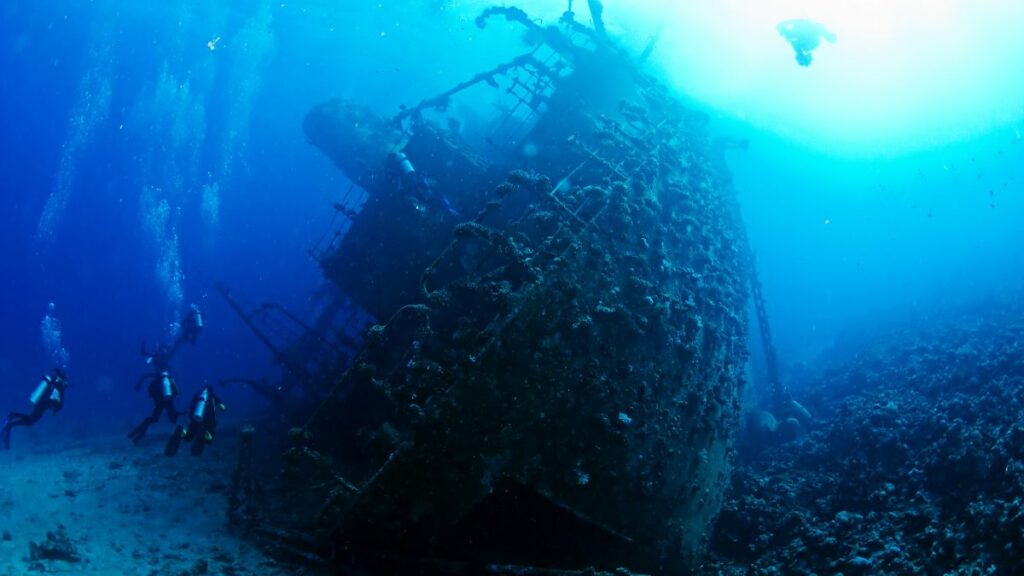
is the most intact and the most visually impressive, also one of my all time favorite wrecks, ever! It’s a Greek cargo ship that went down in 1983, sitting upright at 28 metres with the superstructure accessible and schools of glassfish in the holds.
2. Carnatic
is the oldest (1869) and the most coral-encrusted — she’s been down long enough that the reef has colonised her completely.
3. Chrisoula K
sits in shallower water and is excellent for a second dive.
4. Kimon M
Is the deepest and least dived.
Dive Abu Nuhas before Thistlegorm if possible, conditions and itinerary allows. Get your wreck technique solid here, then go to Thistlegorm knowing what you’re doing and feeling more comfortable.
If not, make sure to get some wreck experience prior – you will not regret it. If you buoyancy, finning techniques and air consumption is dialed in, this will be your best dive ever.
→ Full guide: Abu Nuhas Shipwrecks — Four Wrecks on One Red Sea Reef
3. Yolanda Wreck — Ras Mohammed National Park
It’s the combination dive, not the wreck itself.
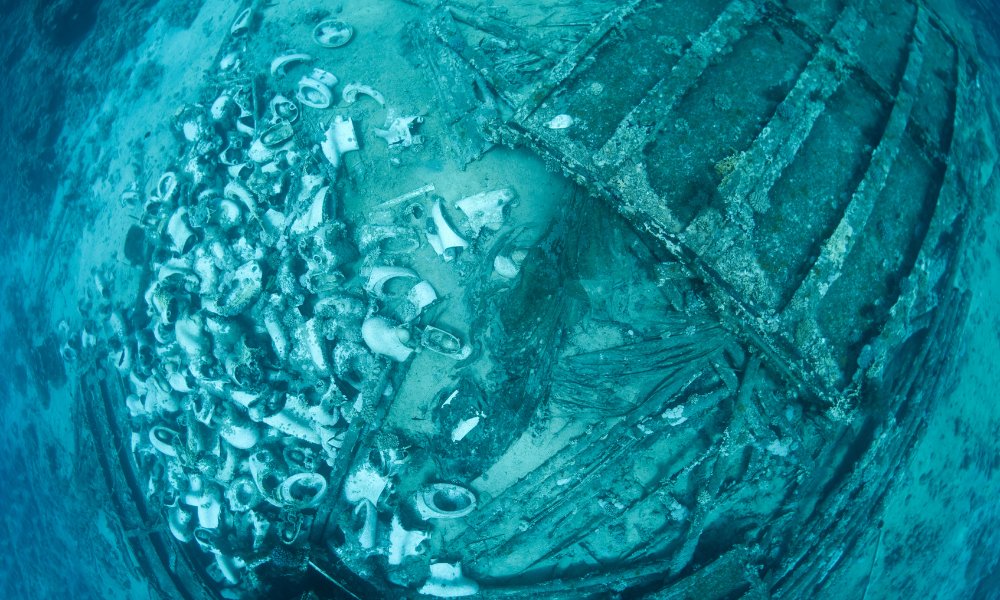
Yolanda is famous for its cargo — a consignment of bathroom fittings including toilets, bathtubs, and porcelain tiles, scattered across the reef slope at Ras Mohammed after the ship broke up on the reef in 1980. The images of divers posing next to a toilet at 25 metres have made it one of the most photographed wreck dives in the world.
Honest assessment: the wreck itself isn’t the reason to be here. It’s quite broken up, the structure is scattered rather than intact, and it wouldn’t justify the dive on its own. What makes it work is that you don’t dive Yolanda in isolation — it’s the end point of a drift along Shark Reef, one of the most consistently impressive reef walls in the Egyptian Red Sea.
The drift through Shark Reef, followed by the cargo field at the end, is a genuinely excellent combination dive. The wreck becomes the punchline to an already good joke.
Go for the full Shark Reef experience. The Yolanda cargo field is the bonus, not the headline.
4. Salem Express — Off Safaga, North Red Sea
A dive with weight. Not for everyone.
The Salem Express is a passenger and cargo ferry that sank in December 1991 in a storm, killing over 400 people. She sits upright and rests on its starboard side at 28 metres, largely intact, and is one of the more sobering wreck dives in the Red Sea.
This is not a recreational holiday dive for most people, it can be a bit spooky if wrecks are not your think. The wreck is a tomb — human remains have been documented inside, and the Egyptian government has closed some sections out of respect.
Divers who choose to dive it typically do so with that context fully understood. If you go, go quietly. The structure is absolutely MIND blowing and marine life on the exterior is exceptional, but the site demands a different attitude than the cargo wrecks of Abu Nuhas.
If you have a lust for rust and history, this should defintely be on your list!
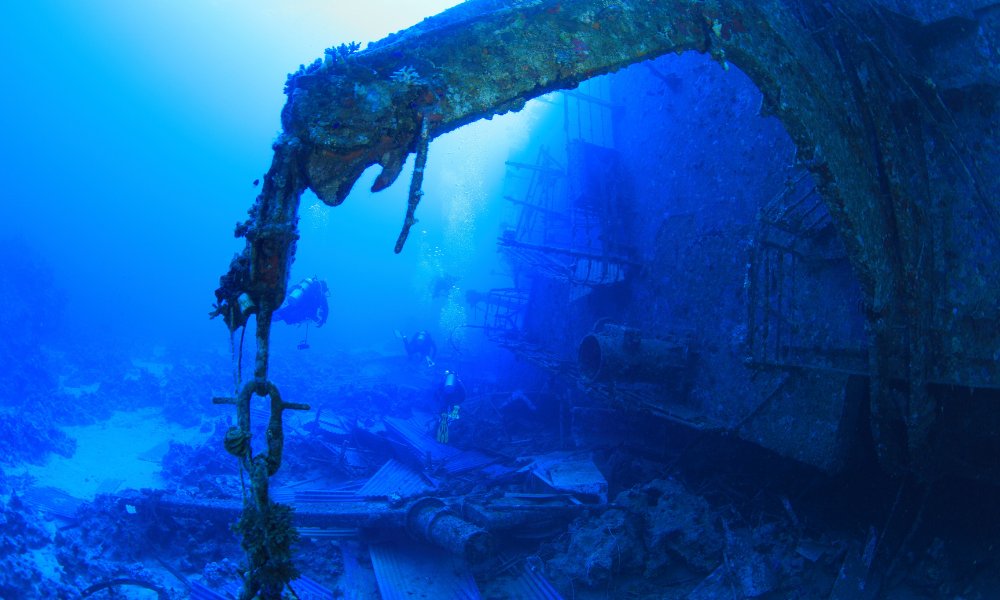
5. Rosalie Moller — Near Thistlegorm, Strait of Gubal
The quieter Thistlegorm alternative.
Another WWII cargo ship, sunk by the same German bombing raid as Thistlegorm on the same night in 1941. The Rosalie Moller sits nearby but receives a fraction of the diver traffic — partly because she’s less spectacular, partly because anyone who’s on a Thistlegorm boat tends to dive Thistlegorm twice rather than explore the area.
At 50 metres to the keel she’s a deep dive for recreational divers, with the shallowest accessible sections around 28 metres. The upper superstructure is covered in excellent soft coral growth and the wreck is genuinely interesting — just not as dramatic as her famous neighbour.
A good dive for divers who want a quieter experience than Thistlegorm’s main event, and have higher certification levels.
I would not recommend doing this dive on just Advanced open water, and on a single cylinder. Operators do, I would not. Just my opinion.
6.Dunraven — Sha’ab Mahmoud, North Red Sea
Victorian-era and underrated.
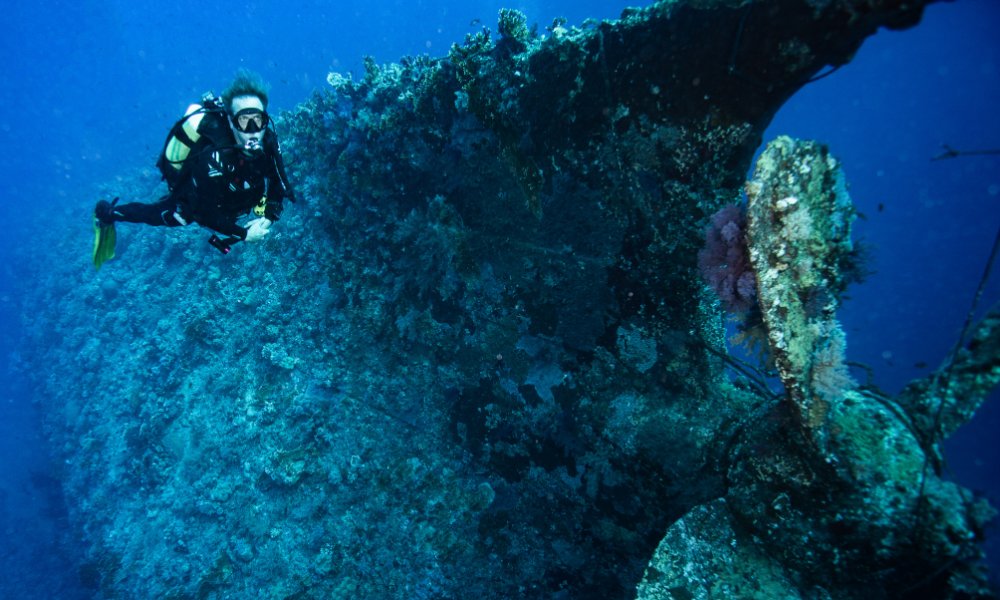
A British merchant steam vessel that ran aground in 1876, the Dunraven sits upside down in two sections on the reef at Sha’ab Mahmoud. She’s one of the older wrecks in the Red Sea and is consequently deeply encrusted with coral — the hull has been colonised so thoroughly that parts of her look more like natural reef than shipwreck.
The upside-down orientation makes navigation interesting — you’re looking up at what was the deck and down at what was the keel. The swim-throughs in the stern section are well-known and accessible to experienced Open Water divers.
Less visited than the Thistlegorm / Abu Nuhas combination and an excellent addition to a north circuit itinerary if you have the time.
How to Get the Most from Red Sea Wrecks Diving
Sequence matters. Abu Nuhas → Dunraven → Thistlegorm is a logical progression that builds your wreck skills before putting you on the world’s most famous dive. Most divers who dive Thistlegorm first agree they’d do it differently with hindsight.
But this all depends on boat schedule, itinerary and conditions.
Get in early. The best Red Sea wreck dives happen at first light before the crowds arrive. On Thistlegorm especially, the difference between a 7am dive and an 11am dive is visibility, crowding, and ambient light in the holds. Book liveaboards that prioritise early slots on the headline sites.
Talk to your buddy. Discuss turning points and air consumption rates before every wreck dive, not after. Penetration of any kind — even shallow hold access — requires both divers to be on the same plan.
If you do not have the necessary dive requirements, avoid doing penetrations and stick to the bigger hold swim throughs.
Bring a torch. Your own, with fresh batteries. Check it before you get in.
How to Book Your Red Sea Wrecks Itinerary?
Divebooker is the platform I would recommend. The Northern Red Sea liveaboard is the most efficient way to dive multiple wrecks in one trip — a 4 to 7-night itinerary out of Sharm El Sheikh or Hurghada typically covers Thistlegorm, Abu Nuhas, and the Ras Mohammed sites including Yolanda in one week.
Filter by departure port (Sharm or Hurghada), trip length, and wreck itinerary type.
When comparing listings, always check:
- Maximum number of divers on board
- Guide-to-diver ratio (ask if not listed)
- Whether nitrox is included or costs extra
- The specific wreck sites listed.
- Cancellation policy — weather cancellations happen on south itineraries
→ Read the Red Sea North vs South guide before booking if you’re still deciding on an itinerary.
And if you want to know when to dive, check out our full Month to Month Guide.
Frequently Asked Questions on Red Sea Wrecks
What is the best wreck dive in the Red Sea?
The SS Thistlegorm is the most famous and arguably the most impressive — a WWII cargo ship with motorcycles, trucks and ammunition still in the holds at 16–32 metres.
Abu Nuhas offers the best all-round wreck diving experience for most divers, with four accessible wrecks in excellent conditions on a single reef.
Do I need special certification for Red Sea wreck diving?
Most of the accessible wrecks — Abu Nuhas, the upper Thistlegorm structure, Yolanda — are open to Open Water certified divers with a reasonable dive count.
Advanced Open Water is recommended for Thistlegorm (deeper sections and hold penetration)
Rosalie Moller, and the Salem Express – full PADI Wreck/deep Diver specialty or equivalent.
My honest opinion – Advanced at minimum and avoid wrecks deeper than 30m and deep penetrations! If you are not wreck or tech qualified, stay away from penetrations and stick to the open holds instead.
What is the best Red Sea wreck for beginners?
Abu Nuhas — specifically the Giannis D and Chrisoula K. Shallow, calm conditions, intuitive navigation, and four wrecks to work through as your skills develop.
Build your wreck technique here before committing to Thistlegorm.
How is Thistlegorm best dived?
Early morning, on a liveaboard that prioritises first boat on site. Go in with the history already in your head — know which hold has what cargo before the briefing. Dive it after you’ve already done some wreck diving, not as your first.
The holds at depth on the second dive are the real experience — not the surface-level overview most day trip divers get.
Can you dive Red Sea wrecks on a day trip?
Yes — day trips to Thistlegorm and Abu Nuhas run from Sharm El Sheikh and Hurghada.
However, a liveaboard gives you the early morning slot advantage on Thistlegorm, multiple dives per site, and the ability to cover several wrecks in one trip.
For a dedicated wreck diving trip, the liveaboard is significantly better value.
Dont waste your time on day trips, if I am being honest.
Is Abu Nuhas better than Thistlegorm?
Different, not better. Abu Nuhas has better conditions, more flexibility, and is more forgiving for divers building wreck experience.
Thistlegorm is more dramatic and more historically significant. If you can only do one, Thistlegorm. But if you can do both, do Abu Nuhas first.