
The Full Diving Guide to South Ari Atoll and The Whale Sharks There
There is one place in the world where you can reliably see a whale shark on any given day of the year, regardless of season. That place is South Ari Atoll, and the consistency of its whale shark encounters — documented at success rates above 80% during peak months and strong year-round — puts it in a category of its own in Maldives diving.
The reason comes down to geography and protection. South Ari Atoll sits in the central Maldives, and the marine area around Maamigili island has been a protected zone since 2009 — the largest marine protected area in the Maldives, covering 42 square kilometres. The area creates a year-round aggregation of juvenile whale sharks that feed on the plankton blooms generated by the atoll’s current system. Unlike most whale shark destinations where encounters are seasonal and dependent on specific conditions, South Ari functions almost like a resident population.
The honest note before you go: this is primarily a snorkeling experience, not a scuba diving one. And one more thing — how you behave in the water matters more here than at most marine sites. Both points deserve proper explanation before you plan the trip.
South Ari Atoll, Maldives — What Makes It Different
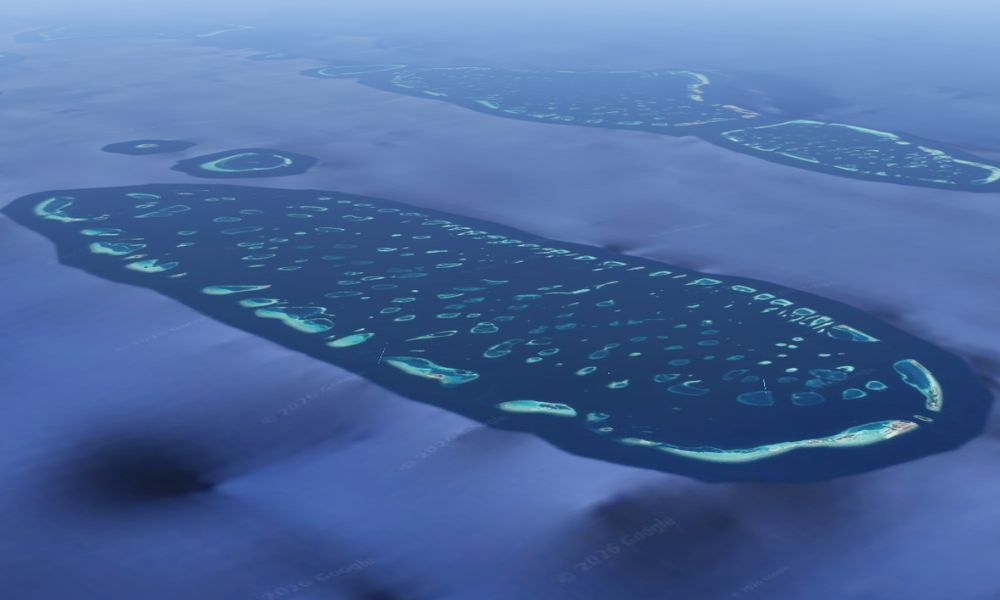
South Ari Maldives sits as the southern half of the Ari Atoll, a large coral atoll in the central Maldives roughly 90 kilometres south-west of Malé. The atoll is encircled by a barrier reef with numerous channel systems that drive nutrient-rich current into the lagoon — the same mechanism that feeds the reef fish populations and draws in larger pelagics.
The Maamigili Beyru marine protected area covers the south-western corner of the atoll and was designated specifically because of its importance as a globally significant whale shark aggregation site. The sharks present here are predominantly juvenile males, typically 4–6 metres in length, feeding on the plankton and fish spawn concentrated near the surface by the current patterns. Because the sharks are feeding rather than passing through, they stay. That’s what makes this different from a seasonal aggregation.
For divers, south ari atoll also offers a complete reef ecosystem beyond the whale sharks — manta rays on cleaning stations, healthy reef systems with strong fish diversity, and several channel drift dives that produce reliable pelagic encounters. But the whale sharks are the reason most people come, and they should be the starting point for understanding what the trip offers.
South Ari Atoll Whale Sharks — What the Encounter Actually Looks Like
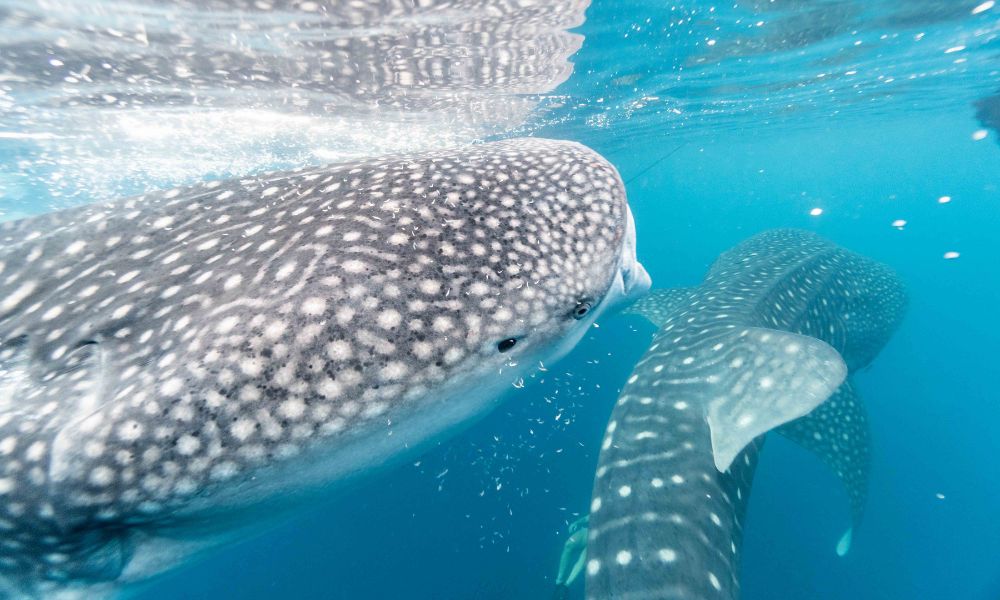
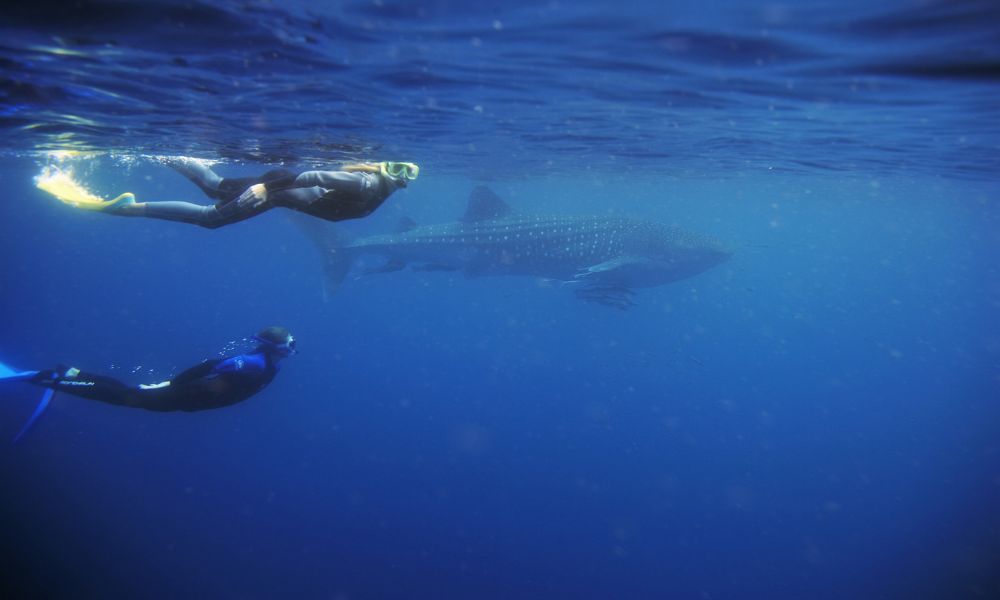
South ari atoll whale sharks are not encountered on the reef wall in deep water. They feed near the surface — typically in the top 5 to 15 metres — following the plankton concentration. This is the critical detail that determines how you experience them.
Snorkeling vs Diving at Whale Shark Point
Snorkeling outperforms scuba diving for this encounter, and the reasoning is straightforward. The whale sharks are actively feeding in the upper water column. A snorkeler at the surface is in the feeding zone, eye-level with a shark moving through the plankton layer. A diver at 10–12 metres is below the action, looking up at the underside of a shark that is focused elsewhere.
There is also a documented behavioural factor. Scuba bubbles have been shown to disturb whale sharks during feeding — they surface-spook more readily around bubble-producing divers than they do around snorkelers. Many experienced South Ari operators now run whale shark excursions exclusively on snorkel gear. If your chosen liveaboard or resort offers both options, go with snorkel.
The dive sites around the atoll — away from Whale Shark Point — are where scuba comes into its own. But for the flagship encounter, leave the tank on the boat.
Responsible Whale Shark Encounter Protocols
This section matters. Whale sharks at Maamigili are wild animals operating in a protected marine area. The encounters are managed under specific protocols, and how individual divers and snorkelers behave directly affects the quality of the experience for everyone — and the wellbeing of the sharks over time.
The protocols used by responsible operators in South Ari Atoll are based on guidelines developed by marine conservation organisations including the Maldives Whale Shark Research Programme:
Distance:
Maintain a minimum of 3 metres from the shark at all times. This includes 4 metres from the tail — a sudden movement of the caudal fin can cause injury.
No touching:
Under any circumstances. Touching removes the protective mucus coating on the shark’s skin and stresses the animal. If a shark moves toward you, you move away — not the other way around.
No flash photography:
Flash causes disturbance. Underwater cameras in South Ari should have flash disabled before entering the water.
Swim parallel, not in front:
Position yourself alongside the shark, moving at its pace in the same direction. Never position yourself ahead of a whale shark or cut across its path — this forces it to alter course and disrupts feeding.
One group rule:
Responsible operators limit the number of people in the water with any single shark. If you’re on a liveaboard or resort excursion, follow your guide’s instructions on when to enter and when to give the shark space.
Operators who ignore these protocols — who allow large groups to mob a shark, who let guests ride fins, who don’t enforce the no-touch rule — are doing real damage. It’s worth asking your operator specifically how they manage encounters before you book. Any reputable South Ari operation will be able to describe their protocols clearly.
South Ari Atoll Diving — What You’ll Find Beyond Whale Shark Point
South ari atoll diving extends well beyond the whale shark aggregation site. The atoll has a complete reef ecosystem with several distinct environments worth diving.
Manta rays are present from May through October, coinciding with the southwest monsoon that drives plankton production. Cleaning stations on the outer reef edges are the primary encounter points — mantas circling slowly above coral heads while cleaner wrasse work their gill plates. This is a different experience from the Hanifaru Bay aggregations (where Hanifaru Bay delivers mass feeding events of 50-200 mantas), but the one-to-one cleaning station encounter has its own quality — close, unhurried, and often repeated on consecutive dives.
Reef diving on the outer walls of South Ari produces the full Maldivian reef ecosystem: grey reef sharks, white-tip reef sharks, eagle rays, healthy coral gardens. The atoll’s protected status means fish populations are comparatively strong — the reef isn’t stripped of life the way more heavily trafficked sites can become.
Channel drifts at several points on the atoll offer pelagic action. Currents drawing through the outer reef channels push nutrients in and attract larger fish — schooling barracuda, trevally, occasional hammerheads at depth. These require comfort in current and an Advanced Open Water certification at minimum.
South Ari Atoll Dive Sites in Detail
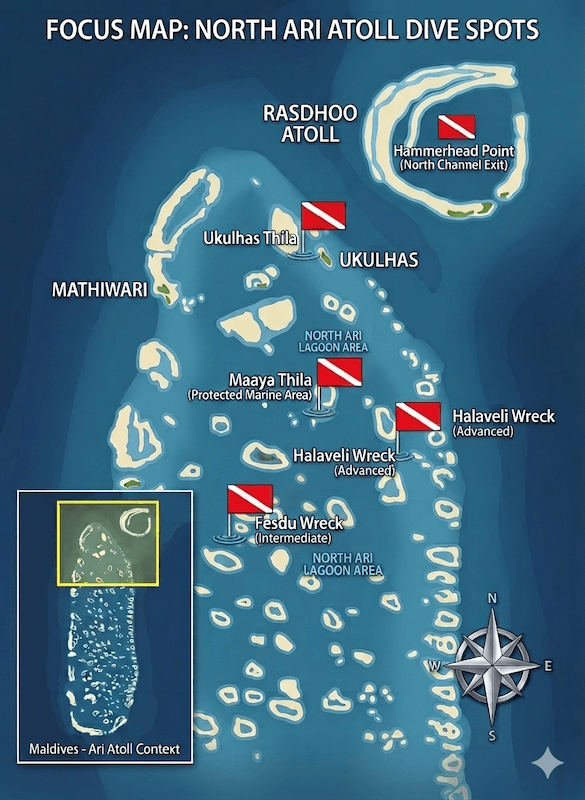
Maamigili Beyru (Whale Shark Point)
The primary whale shark aggregation area. Shallow (5–15m), sandy bottom with scattered coral formations. The whale sharks move through the upper water column following plankton concentrations. Snorkeling is the correct approach. Year-round encounters, with peak success rates during peak season (June–October).
Fish Head (Mushimasmingali Thila)
A protected seamount on the north-west edge of the atoll. One of the best dive sites in the Maldives for grey reef sharks — large resident schools circle the thila, often accompanied by nurse sharks resting on the sandy bottom. Good coral coverage on the top of the seamount. Requires some current experience — the site can run strong. Advanced Open Water recommended.
Hammerhead Point
An outer channel site known for hammerhead encounters in the early morning. The hammerheads are typically seen in the blue water off the channel edge at 20–30m. Not a guaranteed encounter — conditions and timing drive consistency. Early morning is the best window before the thermocline shifts.
Thudufushi Thila
A shallow thila (10–18m) with strong coral coverage and dense fish populations. Less current-dependent than the outer channel sites. Good for macro diving and reef photography. Suitable for Open Water divers.
The Best Time to Dive South Ari Atoll
The appeal of south ari maldives for whale shark encounters is the year-round availability — unlike most marine wildlife destinations, there is no hard off-season for the sharks. However, timing does affect what else you encounter and how conditions vary.
For the full picture on Maldives seasonal diving, see the best time to dive the Maldives guide. For South Ari specifically:
Month by month:
| Months | Whale Sharks | Mantas | Visibility AVG | Notes | |
|---|---|---|---|---|---|
| 1 | Jan–Apr | Strong | Rare | 20–30m | Dry season. Clearest visibility. Whale sharks most concentrated. |
| 2 | May | Strong | Building | 15–25m | Transition month. Both species present. |
| 3 | Jun–Oct | Very strong | Peak | 10–20m | Wet season. Rougher surface. Plankton drives both whale sharks and mantas. |
| 4 | Nov–Dec | Good | Tapering20–30m | Transition. Whale sharks remain. Mantas reducing. |
The south-west monsoon months (June–October) are genuinely the best window for combining whale sharks and mantas in the same itinerary.
Visibility drops slightly on high-plankton days — this is a sign the feeding conditions are strong, not a reason to avoid it.
Getting to Ari Atolls Maldives — Liveaboard vs Resort
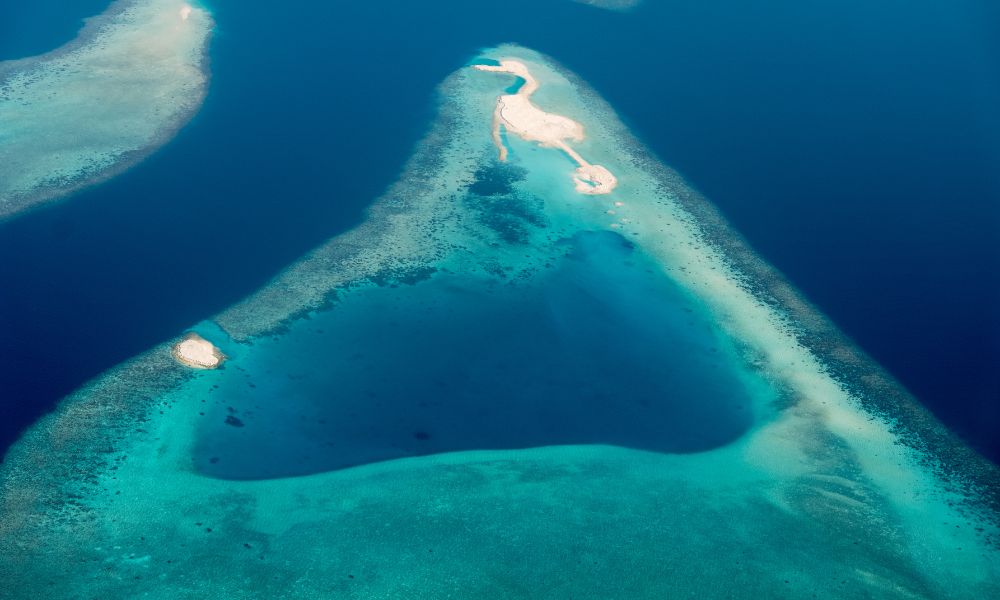
South Ari Atoll is accessible from both resorts within the atoll and from liveaboards operating out of Malé.
Liveaboard is the stronger choice for serious divers. A Maldives liveaboard based in or transiting through South Ari gives you multiple days at the atoll, early morning access to Fish Head and Rangali Madivaru before day visitors arrive, and the flexibility to follow conditions rather than a fixed daily boat schedule.
Central atoll itineraries covering South Ari, North and South Malé, and Baa (for Hanifaru Bay) represent the most efficient way to see the full range of Maldivian marine life in one trip.
Resort-based diving works well for divers who prefer a fixed base and are primarily focused on the whale shark encounter. Several South Ari resorts operate their own dive centres with direct access to Maamigili Beyru.
The trade-off is the limited range compared to a liveaboard — outer atoll sites require longer boat transfers.
Browse our top Maldives liveaboards with South Ari Atoll access →
What Experience Level Do You Need to Dive Ari Atoll?
The whale shark encounter at Maamigili Beyru is accessible to snorkelers and Open Water certified divers. The water is shallow, the current is gentle during feeding conditions, and there are no technical demands. If the whale sharks are your primary goal, certification level is not a barrier.
The outer atoll dive sites — Fish Head, Rangali Madivaru, the outer channel drifts — require more experience. Advanced Open Water is appropriate as a baseline for these sites. Hammerhead encounters at Rangali involve blue water diving with some current at 20–30m. Open Water divers should stay with the shallower reef systems and the thila sites.
Frequently Asked Questions on Diving South Ari Atoll
Are whale sharks at South Ari Atoll guaranteed year-round?
Year-round encounters are common but not contractually guaranteed — wildlife doesn’t operate on a schedule. Success rates exceed 80% during peak months (June–October), and remain strong outside peak season. Liveaboards spending multiple days in South Ari significantly increase the probability of an encounter compared to a single day trip.
Is South Ari Atoll better for snorkeling or scuba diving?
For whale sharks specifically, snorkeling is better. The sharks feed in the upper 5–15 metres where snorkelers are in the action zone. Scuba bubbles can disturb feeding behaviour and the sharks are often above depth anyway. For the reef and channel dive sites around the atoll — Fish Head, the outer walls, the channel drifts — scuba delivers the full experience.
When is the best time to see whale sharks at South Ari?
Year-round, but June through October during the south-west monsoon offers the highest frequency and largest aggregations. The plankton blooms that feed the whale sharks are strongest during this period. January through April offers the clearest visibility and still-strong whale shark presence during the dry season.
Can beginners dive South Ari Atoll?
The whale shark snorkeling is accessible to all levels. The easier reef dive sites — Thudufushi Thila and similar shallow thilas — are suitable for Open Water divers. The outer channel and current sites (Fish Head, Rangali Madivaru) require Advanced Open Water and current experience. Come with Open Water as a minimum and enjoy the whale shark encounter and shallower reef dives.
How do I get to South Ari Atoll from Malé?
Seaplane transfer (approximately 30 minutes) to resorts within the atoll, or domestic flight to Maafaru or Maamigili airport followed by a short boat transfer. Liveaboards departing Malé typically reach South Ari after an overnight sailing passage.
For liveaboard access, boarding is in Malé — the boat does the work of getting you there.
What whale shark encounter rules apply at South Ari Atoll?
The Maamigili Beyru marine protected area operates under strict encounter protocols: 3 metre minimum distance, no touching, no flash photography, swim parallel not in front, and no blocking the shark’s path. Responsible operators brief guests on these rules before entering the water. Sharks that are repeatedly harassed become harder to encounter — following the protocols is what keeps the site productive.