
Overview
Imagine dropping into a vast, bottomless blue where the only sound is the rhythmic pulse of your own breathing.
As the cool thermocline hits, you look out into the void and see a shimmering wall of silver…..
Slowly, the shapes come into focus: hundreds of scalloped hammerheads moving in a silent, prehistoric dance!
This is the reality of diving with hammerheads Banda Sea, a destination that has earned its reputation as the holy grail for shark enthusiasts and adventure divers alike. But yet, very underrated still.
Located in the remote reaches of Eastern Indonesia, the Banda Sea is a place of volcanic islands and immense depths. For years, this region remained a secret known only to the most intrepid explorers.
Today, it is recognized as one of the few places on earth where you can reliably encounter massive schools of hammerheads in pristine conditions. But these sharks are elusive, and the window of opportunity to see them is narrow.
In this article, we will break down everything you need to know about planning your expedition. From understanding the seasonal shifts of the Ring of Fire to choosing the right liveaboard, we will help you navigate the logistics of this bucket-list destination.
Whether you have explored the wrecks of the Red Sea, Egypt or the reefs of Raja Ampat, the Banda Sea offers a unique challenge that requires careful preparation and perfect timing.
Compare 100+ liveaboards. Best price guarantee + Free DAN insurance.
The Legend of the Ring of Fire
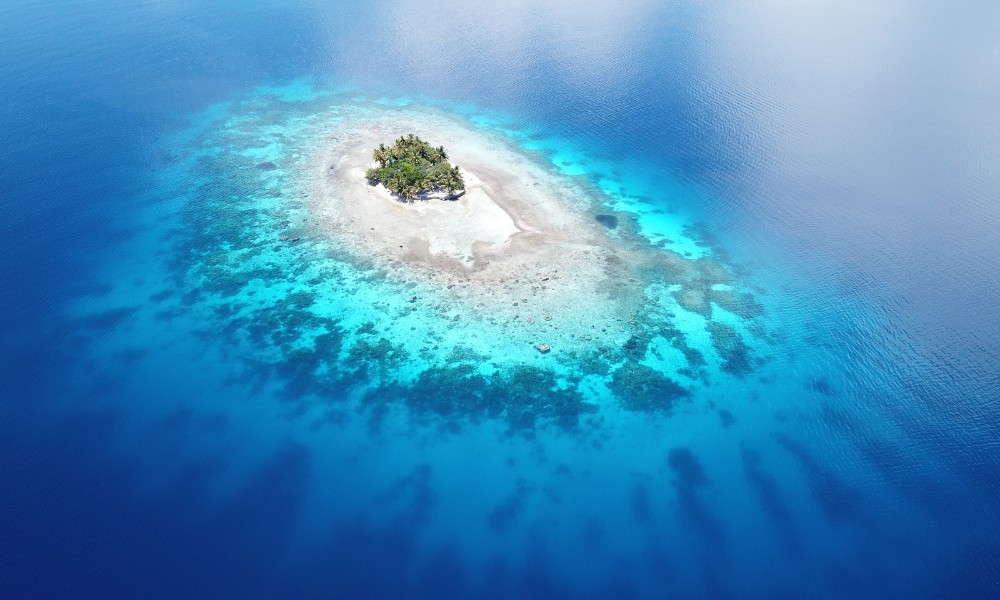
The Banda Sea is often referred to as the Forgotten Islands or the Ring of Fire. This remote expanse of water in Eastern Indonesia is characterized by volcanic peaks that rise sharply from depths of over four thousand meters.
Because these islands are so isolated, the marine life has remained largely untouched by large-scale commercial fishing or heavy tourism.
Diving here feels like stepping back in time. The water clarity is often exceptional, sometimes exceeding forty meters!
While the reefs are spectacular, it is the proximity to the deep abyssal trenches that makes scuba diving here so unique.
The sharks rise from the cold depths to visit these submerged mountains, creating a spectacle that few other places on earth can match.
Best Time for the Banda Sea Shark Diving Season
Timing is everything when planning a trip to this remote corner of Indonesia. The Banda Sea is not a year-round destination because of the heavy monsoon winds that create large swells during much of the year.
To see the hammerheads, you must align your visit with specific windows of calm weather and cooler water temperatures.
- September to November: This is the primary window for seeing large schools. The water temperature drops slightly, which encourages the hammerheads to rise into recreational diving depths.
- March to April: A secondary window occurs during the transition of the seasons. While hammerheads are still present, the schools are often smaller than in the autumn months.
Water Temperatures: Expect temperatures between 25 and 27 degrees Celsius. While this sounds warm, long dives in the blue can lead to a chill.
So I would highly recommend getting yourself a full suit. If you are a sucker for the cold, like me, you don’t want getting cold ruining your dives.
Whether that is a full 3mm or full 5mm with a hood. Because most dives here, you hang in blue water and can work up a chill.
Top Dive Sites for Diving with Hammerheads Banda Sea
Pulau Koon
Located on the edge of the Ceram shelf, this site is a natural bottleneck for marine life. While it is famous for its massive schools of snapper and grouper, it is often the first place where divers spot hammerheads as they journey deeper into the Banda Sea.
Manuk (The Snake Island)
Manuk is an active volcano rising from the deep. Below the surface, the vents release bubbles into the water. While it is world-famous for the hundreds of sea snakes that inhabit its reefs, the outer walls are a prime location for Maluku Islands shark diving.
The drop-offs here are vertical and seemingly bottomless.
Nilu and Damar
These islands are part of the inner arc of the Ring of Fire. The currents here can be powerful, but that is exactly what the sharks love.
Divers typically hook into the reef at a corner and watch the blue. If the conditions are right, dozens or even hundreds of scalloped hammerheads will slowly glide past the reef edge.
Essential Gear and Skills for Hammerhead Encounters
This is not a destination for beginner divers. The remote nature of the sites and the specific conditions required to see the sharks demand a certain level of experience and preparation.
- Advanced Certification: Most liveaboards require a minimum of 50 to 100 logged dives. You will be diving in high-current environments and monitoring your depth carefully in the blue.
- High-Quality Electronics: Navigating deep walls and managing your deco time is critical. If you are looking to upgrade, check out The Ultimate Guide to Choosing Your First Dive Computer.
- Surface Marker Buoy (SMB): This is mandatory. If you get separated from the group in the blue water, your SMB is your only way to signal the chase boat.
- Reef Hook: To wait for the sharks without damaging the reef or exhausting yourself against the current, a reef hook is an essential tool.
Managing Expectations: Scalloped vs. Great Hammerheads
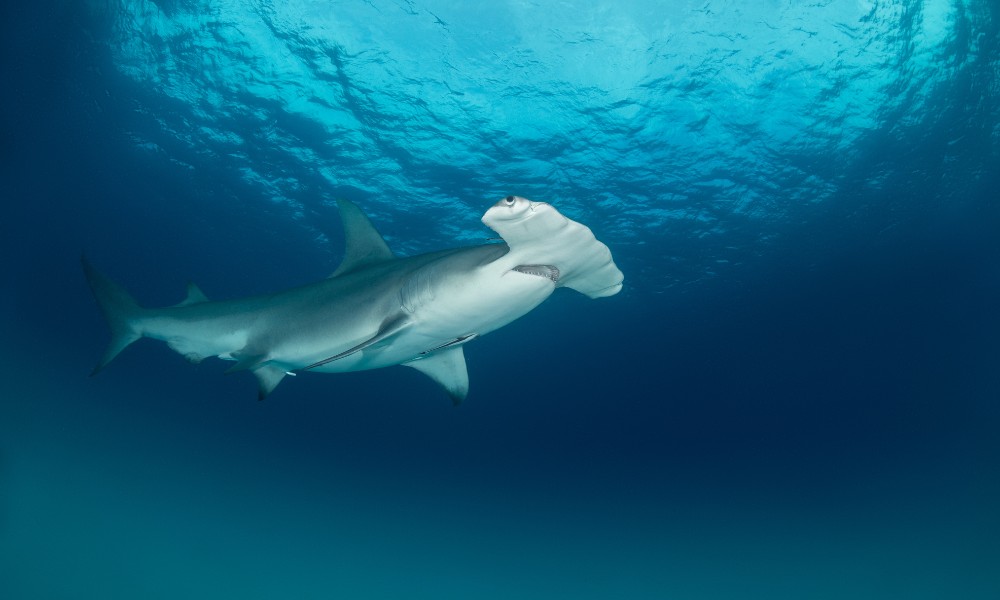
When we talk about schooling hammerheads in Indonesia, we are almost always talking about the Scalloped Hammerhead. These sharks are more social than their larger cousins. They travel in massive, synchronized groups that can number in the hundreds.
Unlike the brazen behavior discussed in Are Tiger Sharks Dangerous to Scuba Divers?, scalloped hammerheads are notoriously shy.
They are sensitive to bubbles and loud noises. To get a close look, divers must remain still, breathe slowly, and avoid swimming directly at the school. It is a game of patience and stealth.
Planning Your Logistics
Reaching the Banda Sea requires significant travel. Most trips depart from Ambon or Sorong. Because of the vast distances between islands, a liveaboard is the only practical way to experience this region.
Many divers choose to combine a Banda Sea trip with a visit to Raja Ampat. These transition trips, often called Crossing Trips, allow you to see the muck diving wonders of Ambon, the hammerheads of the Banda Sea, and the lush coral gardens of the south.
Deciding between a Raja Ampat Liveaboard vs. Resort, may help you understand why the liveaboard model is so dominant in this part of Indonesia.
Unlike the easily accessible dive sites in Egypt – Red Sea, a trip to the Banda Sea involves multiple domestic flights and days at sea.
However, the reward is a level of pristine biodiversity that is becoming increasingly rare in the modern world.
To conclude diving with hammerheads Banda Sea
The Banda Sea remains one of the final frontiers in the diving world. It offers a raw, visceral experience that connects you with the power of the open ocean.
While the journey is long and the conditions can be challenging, the sight of a wall of sharks emerging from the gloom is an image that will stay with you forever.
If you are a seasoned diver looking for your next great adventure, diving with hammerheads Banda Sea should be at the very top of your bucket list.
The window for these encounters is short, and the best liveaboards often book out more than a year in advance.
Start your research early, ensure your skills are sharp, and prepare for a journey into the heart of the Ring of Fire.
This is more than just a dive trip; it is an expedition into one of the most remote and vibrant wilderness areas left on our planet.
Start planning your liveaboard trip to the Maluku Islands today and witness the magic of the Indonesian deep for yourself.