
Diving the Brother Islands Red Sea: Big Brother, Little Brother & What to Expect
The brother islands red sea are not a convenient dive. There’s no quick day trip, no shallow warm-up sites, and no forgiving conditions if you’ve overclaimed your experience level on the booking form. Getting there requires an overnight liveaboard passage of up to nine hours from Hurghada — through open Red Sea water, in conditions that remind you these are genuinely remote islands.
That’s exactly what makes them worth it.
Big Brother and Little Brother are two isolated limestone outcrops rising from deep water in the Egyptian open sea, roughly 70 kilometres offshore. The walls drop to beyond recreational limits. The currents are strong and variable.
And the shark life — oceanic whitetips year-round, hammerheads seasonally — is among the most reliable in the entire Red Sea.
If you’re planning a south Red Sea liveaboard, the Brothers are the headline act. Here’s what you need to know before you go.
Where Are the Brothers Islands Red Sea?
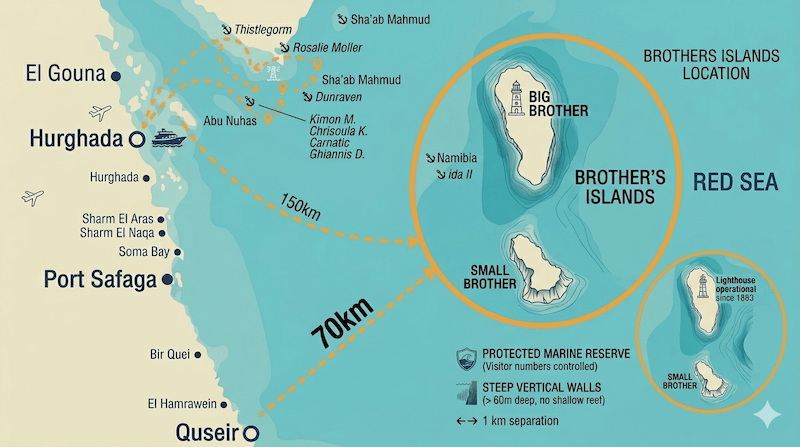
The Brothers Islands sit in the Egyptian Red Sea, approximately 70km east of El-Quseir and 150km south of Hurghada. They’re designated as a protected marine reserve under the Egyptian Environmental Affairs Agency — visitor numbers are controlled, and only licensed liveaboard operators can obtain the permits required to dive there.
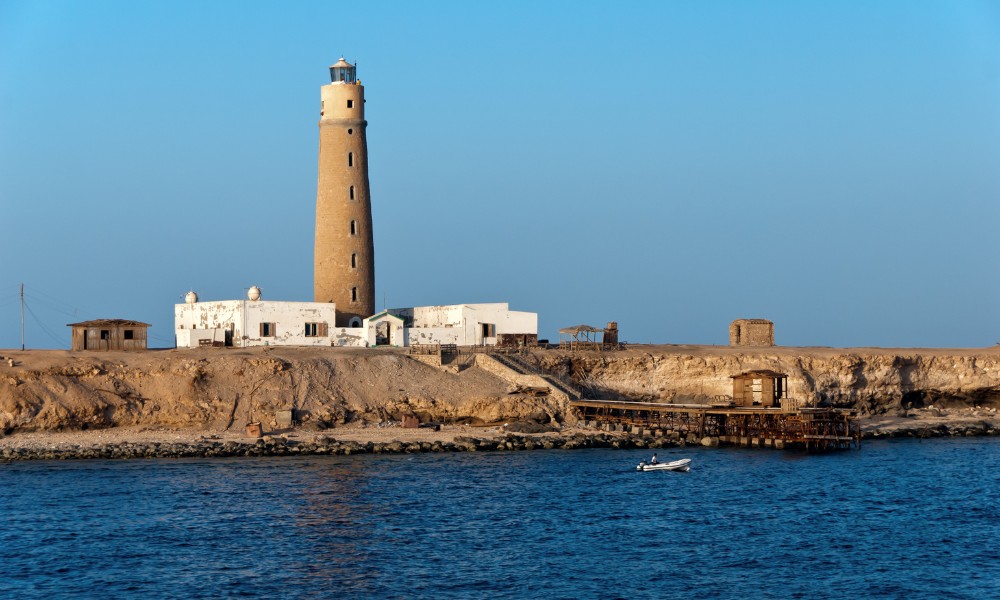
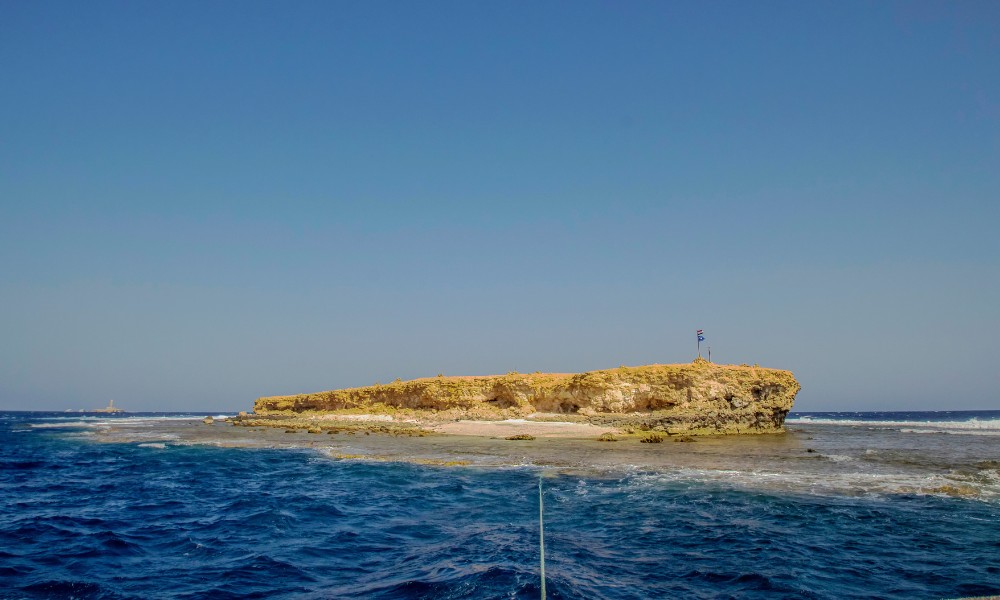
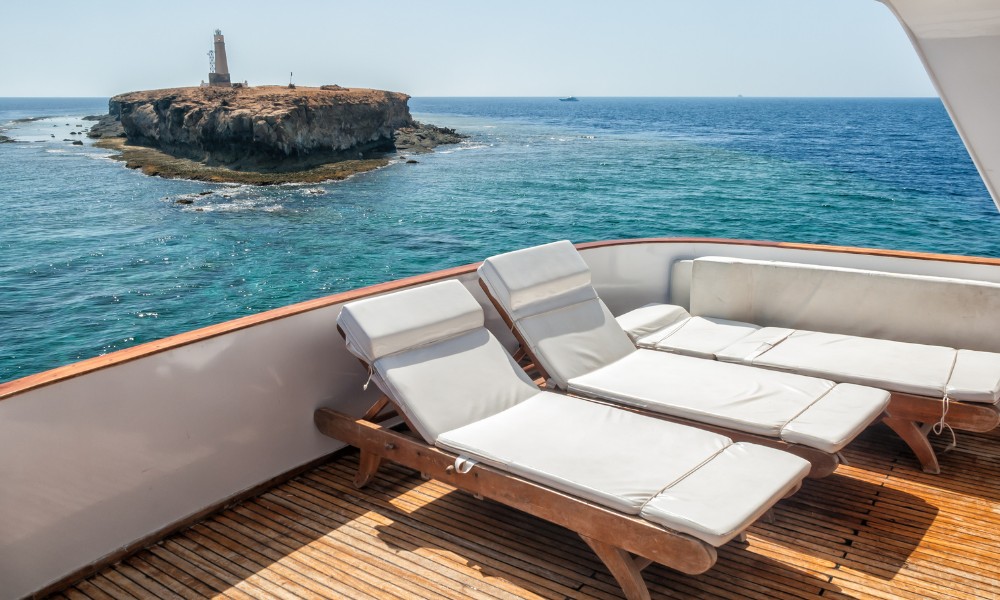
Big Brother is the larger of the two: roughly 400 metres long, with a lighthouse that has been operational since the British colonial era. Little Brother sits about 1km to the south — smaller, more exposed, and in the right conditions, arguably more dramatic.
Both islands are characterised by steep walls that drop vertically from the surface to well beyond 60 metres. There is no shallow reef shelf to speak of. You drop in, you’re on the wall, and the blue water below you is very deep.
The Dive Sites
Big Brother
Big Brother offers several distinct dive zones, but two wrecks define it.
The Numidia Wreck
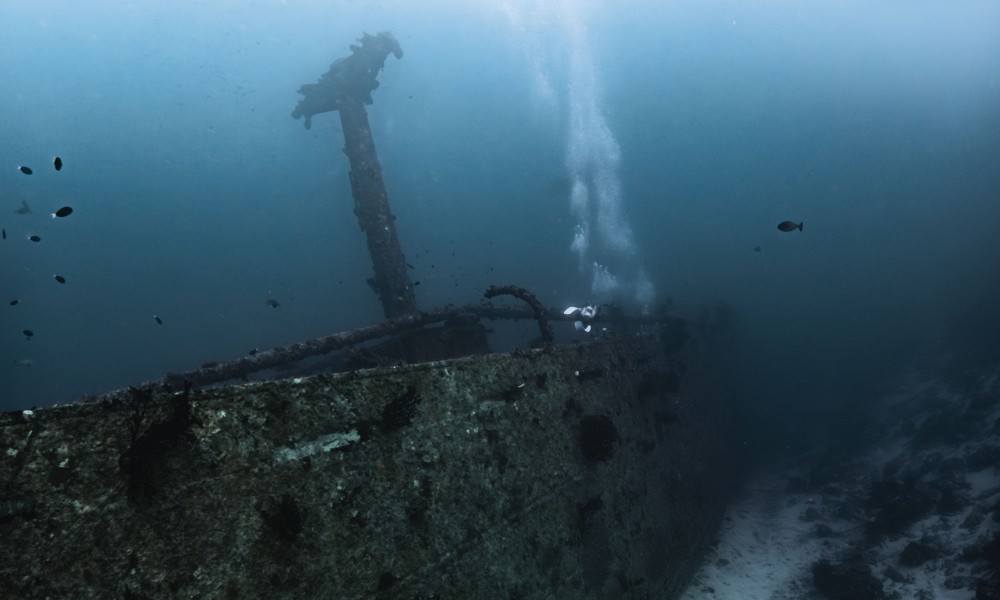
is the deeper of the two — a British cargo ship that struck the northern tip of Big Brother in 1901 and now lies broken across the wall between 8 and 80 metres. The bow section sits shallow enough for recreational divers; the stern descends well beyond the recreational limit.
What makes the Numidia remarkable is how it’s draped across the wall itself — sections of hull are encrusted with enormous sea fans and soft coral growth, and the structural chaos of a 120-year-old wreck integrating into a reef system is unlike anything you’ll find in calmer, more protected waters. Moray eels, glassfish schools and lionfish occupy every dark corner.
This is not a penetration dive in the traditional sense — the Numidia is too broken up for that. It’s an exploration of a wreck that’s become part of the reef, and it rewards slow, methodical diving.
The Aida wreck
sits on the southeastern side of Big Brother — a smaller Egyptian navy supply vessel that went down in 1957 and rests between 25 and 60 metres. More intact than the Numidia, the Aida is more accessible for recreational divers: the superstructure is swimmable, the corals are dense, and the fish life concentrated around the wreck is extraordinary.
Batfish, grouper and glass sweepers school around the hull in numbers that block out the light in sections.
Beyond the wrecks, Big Brother’s north and south walls offer drift diving along sheer drop-offs. The south wall is where oceanic whitetip sightings are most concentrated.
Little Brother
Little Brother is smaller, more exposed, and in the right conditions, delivers some of the most dramatic pelagic encounters at the site.
The island has a single main dive zone — a circumnavigation of the wall is possible on a single tank in good conditions, though current makes this highly variable. The north and northeast walls are where pelagic action concentrates: hammerhead sharks patrol the blue water off the wall, thresher sharks have been documented here (primarily in early morning dives), and oceanic whitetips make regular appearances.
The coral structure on Little Brother is also notably pristine — more so than Big Brother’s walls, which see heavier diver traffic. Table corals, gorgonian fans and healthy hard coral coverage make this a strong dive even on a day when the sharks don’t show.
Current at Little Brother can be severe. Downwellings — sudden vertical currents that push divers deeper — have been reported here and at Big Brother’s walls. This is not a site for divers who aren’t completely comfortable aborting a dive and ascending if conditions change. Your guide will brief you on this. Listen to them.
The Sharks
Oceanic Whitetip Sharks
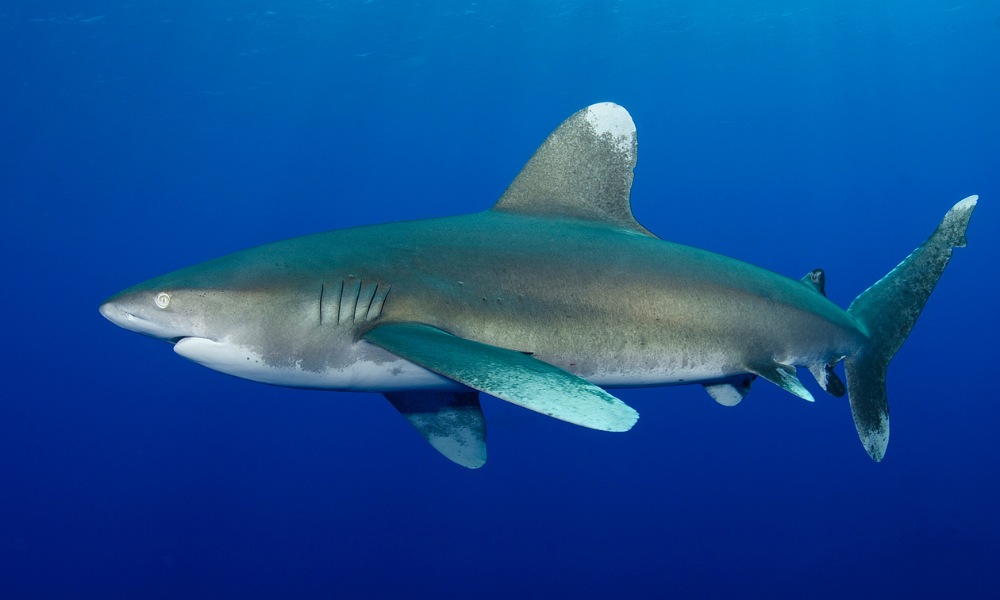
Oceanic whitetips (Carcharhinus longimanus) are the Brothers’ most reliable pelagic encounter. Unlike hammerheads, which are strongly seasonal, oceanic whitetips are present year-round — and the Brothers is considered one of the most consistent sites in the world to see them.
These are not the reef sharks you encounter on most Red Sea dives. Oceanic whitetips are open-ocean animals — curious, persistent, and capable of close approaches that feel genuinely intense if you haven’t encountered them before. They will circle. They will come in. The appropriate response is to hold your position, stay in a close group, maintain eye contact, and avoid erratic movement.
Experienced guides at the Brothers manage these encounters well, and serious incidents are rare — but this is a shark you respect, not one you dismiss.
Encounters are most common on the south wall of Big Brother and on Little Brother’s northeast wall, typically in the middle third of the dive when you’ve moved away from the wreck structure and into more open water.
Hammerhead Sharks
Scalloped hammerheads (Sphyrna lewini) are seasonal at the Brothers — the peak window is May through October, with June through August the most consistent months. Sightings tend to occur in the blue water off the wall rather than on it: look out into the open water during your safety stop or while drifting along the wall’s upper edge.
Schools rather than singles are possible in peak season, particularly at Little Brother. This is not a guaranteed encounter — hammerheads are wild animals in open ocean — but the Brothers is one of the highest-probability sites for them in the Red Sea.
Thresher Sharks
Thresher shark sightings at the Brothers are reported but unpredictable. Early morning dives on the Little Brother wall give the best odds — threshers tend to be deeper and more elusive than other species here. Treat any thresher encounter as a bonus rather than an expectation.
Important Thing To Note Before Diving With The Oceanics
I cannot recommend a well reviewed operator here, especially when diving with Oceanic White Tip sharks.
No point in lying to you guys, there has been multiple incidents and most of the time due to diver and guide error.
These sharks are super inquisitive and due to them being one of the top open ocean predators, they are curios and optimistic.
So it is important to understand good shark etiquette. Stay in a close group, especially if you leave the reef/wreck and head into open water and close to the surface. Anything flashy, erratic arm movements, skin reflecting from sun can all pull them in closer for a look.
Being with an operator and guide who understands and stresses shark etiquette is important to ensure a safe and memorable experience seeing these whitetips out in the open.
Experience Level: Who Should Dive the Brothers?
Be honest with yourself on this one.
The Brothers are not suitable for newly certified divers, regardless of what the booking form minimum says. The combination of strong current, significant depth, open-water exposure, downwelling risk, and active pelagic encounters requires a diver who is genuinely comfortable underwater — not just certified.
The realistic minimum: Advanced Open Water with 50+ logged dives, including drift diving experience and good shark etiquette.
Ideally more. If you haven’t dived in current before, the Brothers will be a stressful experience rather than an enjoyable one, and stressed divers in current at depth are a safety problem for everyone on the boat.
What the site rewards is a diver who can hold depth precisely, control buoyancy in variable current, navigate a wall without gripping coral, and stay calm when an oceanic whitetip comes in for a closer look. If that description fits you, the Brothers will be one of the best dives of your life.
Best Time to Dive the Brothers Islands Red Sea
For hammerheads and overall pelagic action: May to October. Water temperatures are warmest (27–30°C), seas are generally calmer for the overnight crossing from Hurghada, and hammerhead sightings are at their peak.
For oceanic whitetips specifically: year-round, though October through February brings slightly cooler, clearer water (visibility can hit 30 metres) and marginally fewer divers on the boats.
Avoid: January and February can bring rough sea conditions that make the crossing uncomfortable and occasionally cause operators to skip Little Brother if surface conditions are too exposed. Check with your operator on conditions before committing to a winter departure.
How to Get to the Brothers Islands
The Brothers are only accessible by liveaboard. There is no day-trip option — the distance offshore makes it impossible, and the marine reserve permit system is structured around liveaboard operators.
Departure point:
Hurghada is the primary departure port for Brothers itineraries. Some operators depart from Port Ghalib or Marsa Alam on longer combined south routes that include Elphinstone, Daedalus and occasionally Zabargad.
Passage time:
Expect 7–9 hours from Hurghada to the Brothers, typically sailed overnight so you arrive at first light. The crossing can be rough — the Red Sea’s open central section has short, steep chop in wind conditions. If you’re prone to seasickness, take medication before departure.
Trip length:
Dedicated Brothers itineraries run 5–7 nights. Combined south routes that include Elphinstone and Daedalus typically run 7–10 nights.
Permits:
Your operator handles these — Egyptian Red Sea marine reserve permits are included in the trip cost. Confirm with your operator before booking that the Brothers is confirmed on the itinerary rather than listed as “conditions permitting.”
What to Pack for a Brothers Liveaboard
- Wetsuit: 5mm minimum. Water temperature ranges from 22°C in winter to 30°C in summer. Even in summer, extended time at depth on shaded walls can chill you faster than you expect on a shallow reef.
- SMB: Non-negotiable. Current at the Brothers can push you off the wall and away from the boat. Every diver should be able to deploy their own surface marker buoy independently, not rely on the guide’s.
- Seasickness medication: The overnight crossing from Hurghada warrants it, particularly in winter. Cinnarizine (Stugeron) is widely available and effective for most divers. Take it before you board, not after you’re already feeling rough.
- Camera: Wide angle. The wrecks and wall topography — combined with the chance of a hammerhead or oceanic whitetip in frame — make the Brothers one of the most photographed dive destinations in the Red Sea.
The Brothers Islands vs Other South Red Sea Dive Sites
Brothers vs Elphinstone: Elphinstone is more accessible — closer to shore, diveable on a shorter itinerary, and the northern plateau offers a dramatic dive in a smaller footprint. The Brothers offer more total dive variety (two islands, two wrecks, multiple wall zones) and more reliable oceanic whitetip encounters. If you can only do one, the Brothers edges it for experienced divers. Elphinstone is the better choice if your experience level is borderline.
Brothers vs Daedalus: Daedalus is more remote — typically a full-day passage beyond the Brothers — and the hammerhead encounters there are considered slightly less consistent than the Brothers in peak season. Daedalus rewards the extra distance with exceptional remoteness and occasionally thresher sharks. Most serious south Red Sea divers want both eventually.
Questions on the Brother Islands Red Sea
Do you need a permit to dive the Brothers Islands?
Yes — the Brothers are a protected marine reserve, and diving is only permitted with licensed liveaboard operators who hold the necessary Egyptian Environmental Affairs Agency permits. Individual divers cannot arrange independent access. Your operator includes the permit in the trip cost; confirm this before booking.
Are the Brothers Islands suitable for beginner divers?
No. The Brothers require Advanced Open Water certification as a minimum, and realistically 50+ dives including experience in current. The combination of significant depth, variable and sometimes strong current, open-water exposure, and active pelagic encounters is not appropriate for newly certified divers. If you’re earlier in your diving, a north Red Sea liveaboard covering the SS Thistlegorm and Ras Mohammed is a better first Red Sea trip.
What sharks can you see at the Brothers Islands?
Oceanic whitetip sharks are present year-round and are the most reliable encounter — the Brothers is one of the world’s best sites for this species. Scalloped hammerheads are seasonal (May–October, peak June–August). Thresher sharks are occasionally sighted, primarily on early morning dives on Little Brother’s wall. Grey reef sharks and whitetip reef sharks are also common on the walls.
What is the best month to dive the Brothers Islands?
June through August for hammerhead sharks and peak pelagic concentration. October and November for a combination of reliable oceanic whitetip encounters, improved visibility (up to 30m), and calmer crossings than midwinter. Avoid January and February if rough sea conditions are a concern.
Can you dive the Brothers Islands as a day trip?
No. The Brothers are approximately 70km offshore and only accessible by liveaboard — the distance, permit requirements, and site conditions make day trips impossible. All diving is conducted from the liveaboard vessel.