
The Red Sea has long been a pilgrimage site for scuba divers seeking vibrant corals, clear water, and iconic wrecks like the SS Thistlegorm. However, many travelers assume that a world-class diving holiday requires a massive budget.
This often leads to a difficult choice: do you stay on land and dive from the shore, or do you commit to a week on a liveaboard? The answer depends on your priorities, but both options offer unique ways to save money if you know where to look.
For some, the attraction of a shore-based holiday is the ability to wander through local markets and eat at street-side stalls.
For others, the liveaboard represents the ultimate convenience, offering a floating hotel that moves between the best sites in the Egypt – Red Sea region. Each approach has hidden costs and potential savings that are not always obvious at first glance.
In this guide, we will break down the true costs of both styles. We will look at the best budget destinations, explore the concept of value per dive, and help you decide which method will give you the most bottom time for your hard-earned money.
Whether you are a newly certified diver or a seasoned pro, understanding these logistics is the key to an affordable adventure.
Compare 100+ liveaboards. Best price guarantee + Free DAN insurance.
Understanding the Red Sea Diving Landscape
The Red Sea is a massive body of water stretching from the Gulf of Suez down to the Bab el-Mandeb strait. For divers, it is primarily divided into two regions: the North and the South. Each area offers a distinct style of diving and varying price points.
- The North is famous for its historical shipwrecks and accessible reefs near Sharm El Sheikh and Hurghada.
- The South is known for more rugged, remote sites like the Brothers Islands and Daedalus Reef. Deciding how to tackle this vast area depends heavily on your comfort level with being at sea and your financial flexibility.
If you want a full comparison, check out Red Sea Liveaboard: North vs. South Itineraries
The Shore Based Approach
Shore-based diving is often the first choice for travelers looking to keep costs low. By staying in a hotel or a specialized dive camp, you gain control over your daily spending. This method allows you to hand-pick your meals and dive sites on a day-to-day basis.
Cities like Dahab have become world-famous for this style of travel. In Dahab, the diving is almost exclusively done from the shore. You walk into the water directly from the beach, which eliminates the high fuel costs associated with boat operations.
And put you straight into some of the worlds best dive sites, like the famous Blue Hole.
Advantages of Shore Based Diving
1. Lower upfront costs for accommodation and equipment rental.
2. Flexibility to explore local culture, restaurants, and markets.
3. Ability to take days off without feeling like you are wasting a prepaid package.
4. Better suited for families or groups where not everyone dives.
Dahab offers a backpacker-friendly vibe where you can stay in budget guesthouses for a fraction of the price of a luxury resort. Even in Hurghada or Sharm El Sheikh, you can find affordable three-star hotels located within walking distance of the main dive centers.
The Liveaboard Based Approach
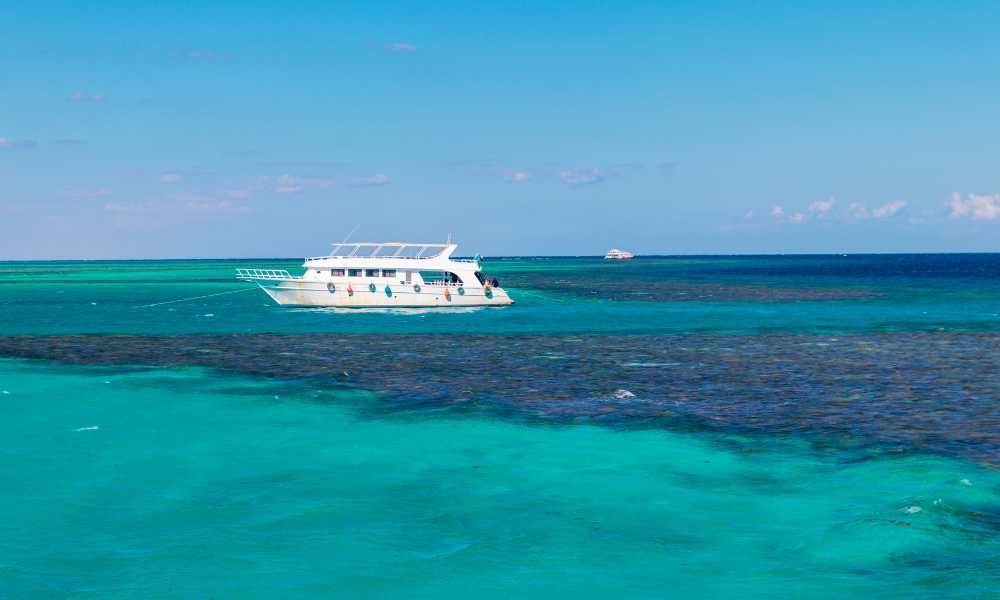
At first glance, the price tag of a liveaboard can cause sticker shock. However, when you break down the value, it often becomes a competitive option. A liveaboard price typically includes your accommodation, three to four dives per day, all meals, and snacks.
When you dive from land, you usually pay for two dives a day, and then add on the cost of lunch, dinner, and drinks. On a boat, your only extra costs are usually nitrox fills, equipment rental, and tips for the crew.
What is Included in a Liveaboard Price
- Transfer from the airport to the harbor.
- Full-board accommodation in a shared or private cabin.
- Professional dive guides and tank fills.
- Entry fees for marine parks like Ras Mohammed.
If your primary goal is to maximize your time under the water, the liveaboard is king. You wake up on the dive site, jump in before the day boats arrive, and enjoy a surface interval with a 360-degree ocean view.
Comparing the Total Cost
To truly understand which is cheaper, you have to look at the cost per dive. This is where the math starts to favor the boats for heavy hitters.
If a liveaboard costs 1,200 dollars for seven days and you do 22 dives, your cost per dive is roughly 55 dollars. This includes your room and food.
A land-based trip might cost 600 dollars for the hotel and 400 dollars for a 10-dive package. Once you add 300 dollars for food and transport, your cost per dive significantly exceeds the liveaboard average.
Navigating the Best Value Destinations
Choosing the right base of operations is critical. Some areas are naturally more expensive due to their remote nature or popularity.
Top Budget-Friendly Bases
- Dahab: The ultimate destination for shore diving and low-cost living.
- Marsa Alam: Great for shore diving and eco-huts, offering access to Elphinstone.
- Hurghada: A competitive market with many low-cost flight options from Europe.
In Hurghada, the sheer number of dive centers keeps prices low due to competition. You can often find incredible deals on day-trip boats that include a buffet lunch on board.
This acts as a middle ground between shore diving and a full liveaboard.

Timing Your Trip for Maximum Savings
Economics in the Red Sea is highly seasonal. The peak months are usually during the spring and autumn when the weather is mild. If you are willing to brave the heat or the cooler winter winds, you can find significant discounts.
July and August are scorching hot, but many boat operators offer summer specials to fill their cabins. Conversely, January and February see fewer tourists, leading to lower hotel rates. Consulting a guide on the Best Time to Dive the Red Sea: A Month-by-Month Guide can help you pinpoint these windows.
Hidden Costs to Watch Out For
Regardless of which path you choose, there are always extra fees that can sneak up on you. Being aware of these helps you stick to your budget without surprises.
- Port and Marine Park Fees: These are often not included in the initial liveaboard quote.
- Equipment Rental: If you do not have your own, daily rental fees add up quickly.
- Tips: Gratuity for the boat crew and dive guides is customary and should be factored in.
- Fuel Surcharges: Some boats may add a small fee if global fuel prices spike.
Owning your own basic gear can save you hundreds of dollars in rental fees over just a few trips.
The Final Verdict for Budget Travelers
If you want the lowest possible entry price and enjoy local culture, go for a shore-based trip in Dahab or Marsa Alam.
You can live cheaply, dive when you want, and keep your total spending under a strict limit.
If you want the most value for every dollar spent on actual diving, save up a little more for a liveaboard.
The sheer volume of world-class dives you can achieve in a week makes it the more efficient choice for serious enthusiasts. Quality diving in the Egypt – Red Sea region is accessible to almost any budget if you plan with care and prioritize your needs.